Dining Room Engineered Wood
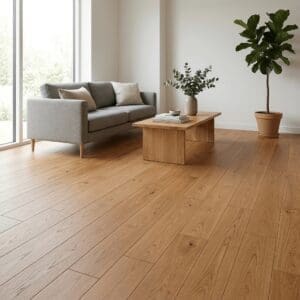
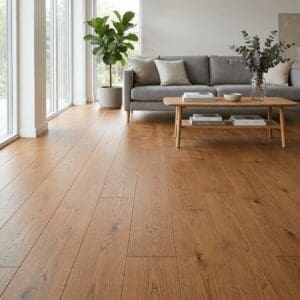
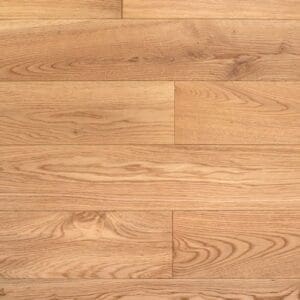
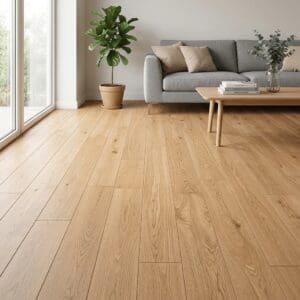
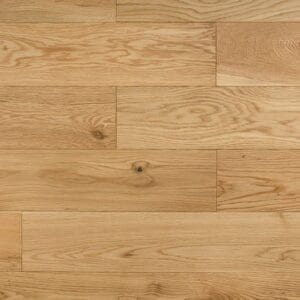
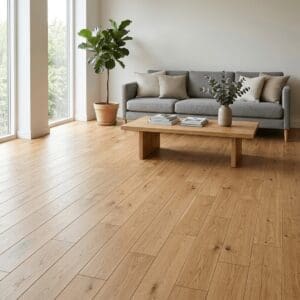
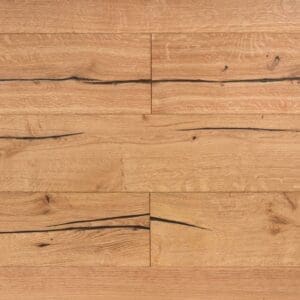
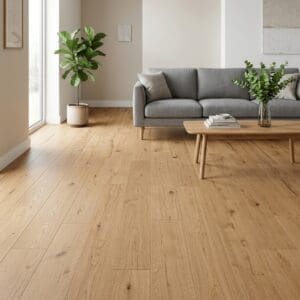
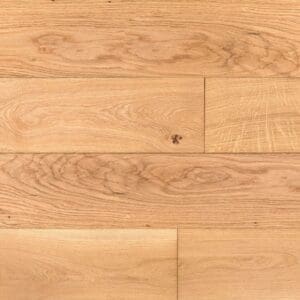
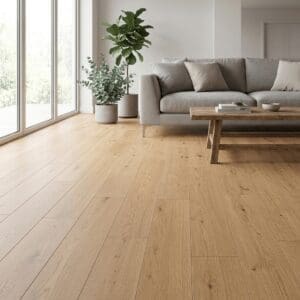
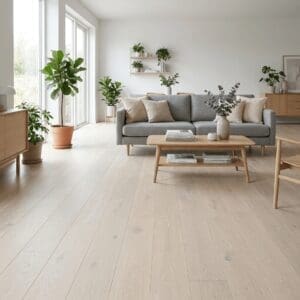
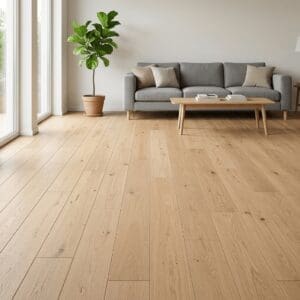
Engineered wood flooring is a strong choice for dining rooms, providing a natural and durable surface that complements both everyday use and more formal settings. Its versatility allows it to work across a range of interior styles, from classic dining spaces to modern open-plan layouts.
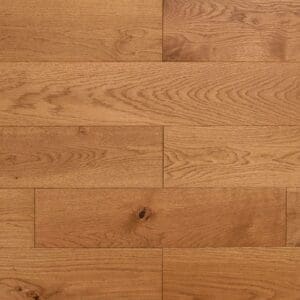
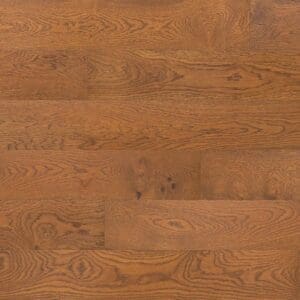
This category includes a selection of engineered wood flooring from the GF collection alongside other carefully selected ranges, offering a variety of tones, finishes and formats.
Dining areas often benefit from flooring that balances appearance with durability. Engineered wood provides a stable surface that can cope with regular use while maintaining the look and feel of real timber.
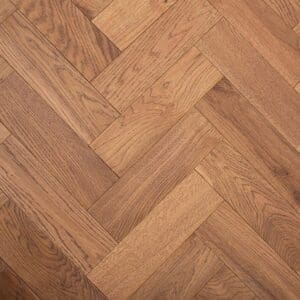
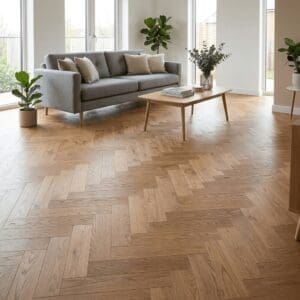
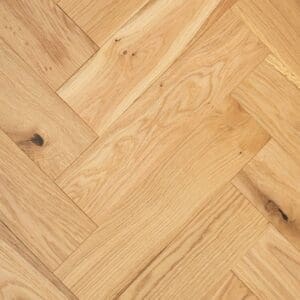
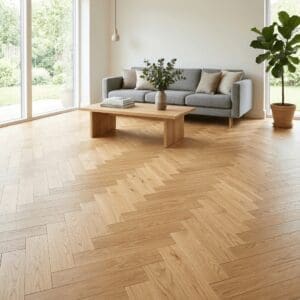
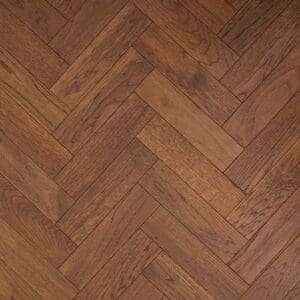
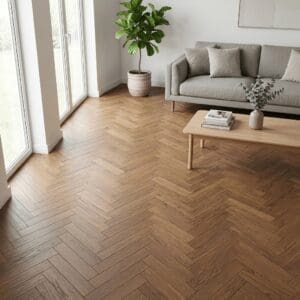
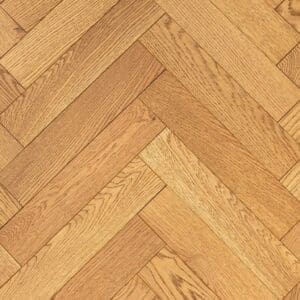
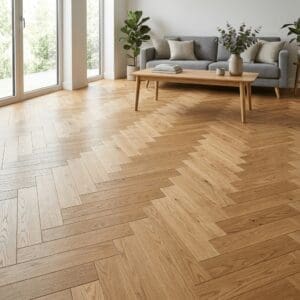
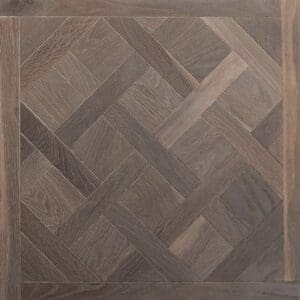
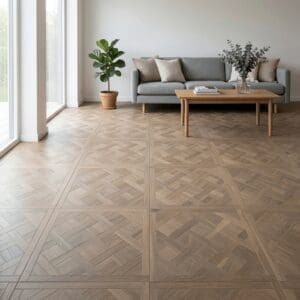
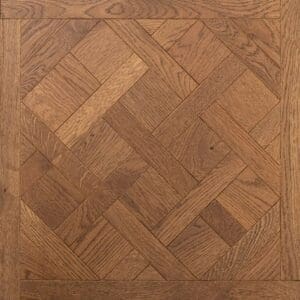
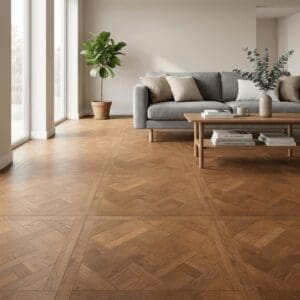
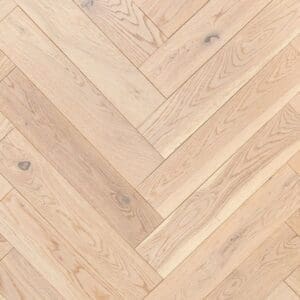
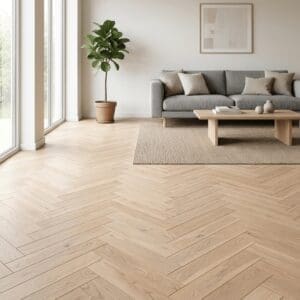
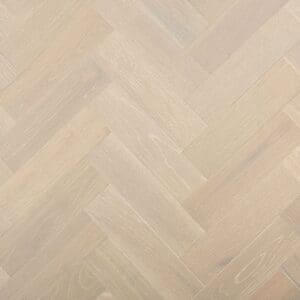
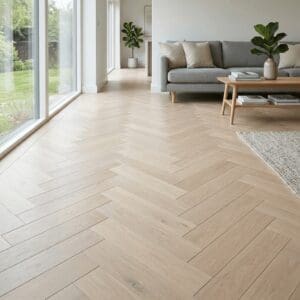
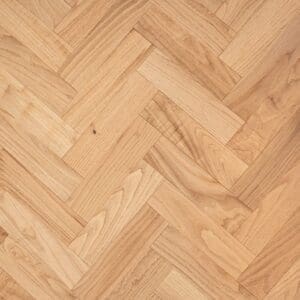
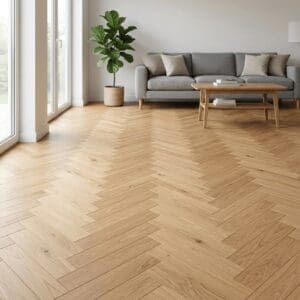
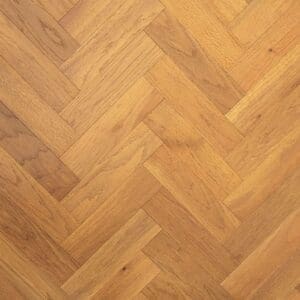
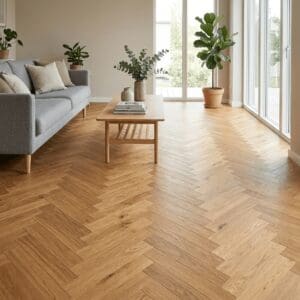
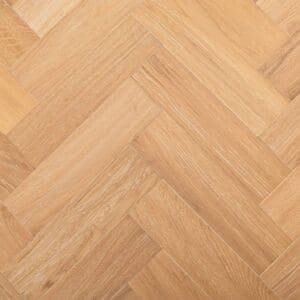
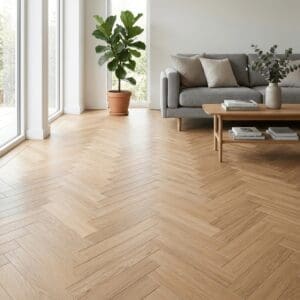
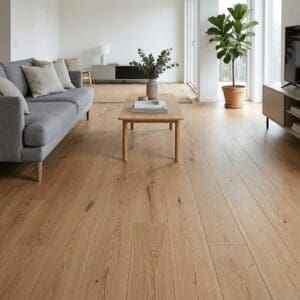
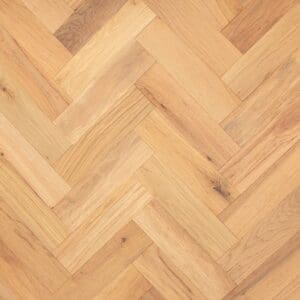
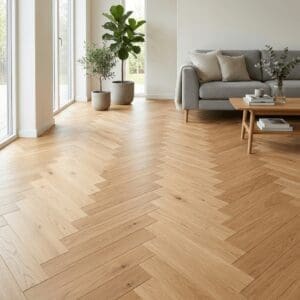
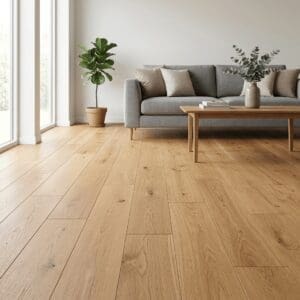
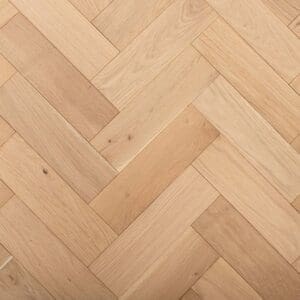
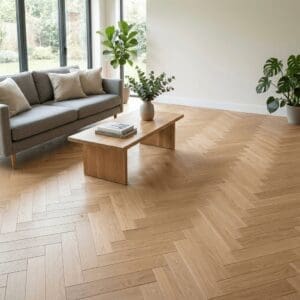
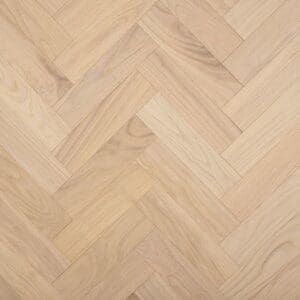
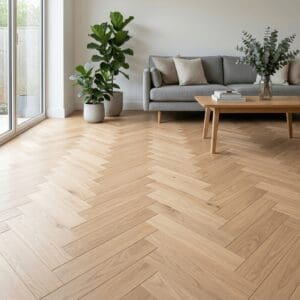
Herringbone and parquet styles are commonly used in dining rooms to introduce a more structured and decorative element, while plank flooring offers a more understated and continuous look.
A range of finishes are available, allowing you to choose a floor that complements furniture and lighting within the space, while maintaining a consistent feel throughout the home.
Buying guide for engineered wood flooring
Choosing the right engineered wood flooring for your dining room involves several important considerations to ensure it meets your needs and enhances your space.
Room Usage / Location: Dining rooms are often high-traffic areas, so engineered wood is a great choice due to its durability and stability. Its resilience makes it suitable for spaces where you entertain and have family meals.
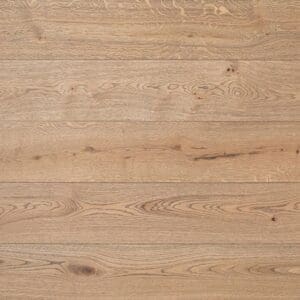
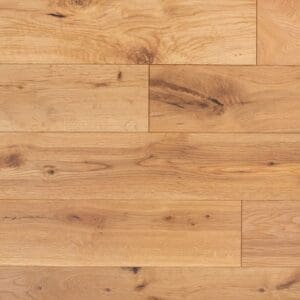
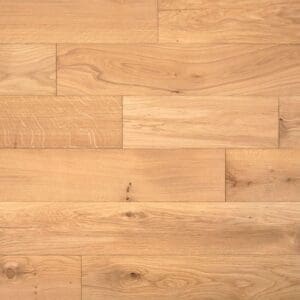
Lifestyle: Consider how you use your dining room. For a busy household with children, look for a product with a hard-wearing finish and a thicker wear layer. A distressed or hand-scraped finish can also be more forgiving and better at hiding minor scratches.
Budget: The cost of engineered wood flooring can vary significantly depending on the wood species, wear layer thickness, and brand. While it is generally more expensive than laminate, it is often more affordable than solid wood and offers a longer lifespan.
Durability & Maintenance: A key aspect of durability is the thickness of the real wood wear layer. A thicker wear layer allows the floor to be sanded and refinished multiple times, extending its life. Maintenance is straightforward, requiring only regular sweeping or vacuuming with a soft brush and occasional mopping with a manufacturer-approved cleaner.
Material Type Pros & Cons:
Pros: Engineered wood provides the look and feel of real wood with better stability and a wider range of installation options. It is also a more sustainable choice as it uses less of the top-grade wood species compared to solid wood. It’s also suitable for use with underfloor heating systems.
Cons: It is generally more expensive than laminate or LVT. While durable, it can still be susceptible to scratches and dents, and the wear layer limits the number of times it can be sanded.
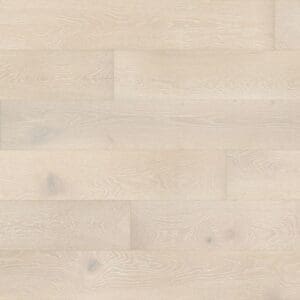
Aesthetics & Style: The wide variety of engineered wood flooring options allows you to find a perfect match for any dining room decor. From the light, fresh look of white oak to the deep, rich tones of walnut, you can create a floor that is a true reflection of your personal style.
Comfort & Sound: Engineered wood offers a warm and comfortable surface underfoot, which is a great benefit for a dining area. It is also quieter than other hard flooring options like stone or ceramic tile.
Underfloor Heating: Engineered wood flooring is a great choice for use with underfloor heating systems. Its stable, layered construction handles the temperature changes better than solid wood, preventing warping and cracking.
Installation: Engineered wood can be installed as a floating floor, glued down, or nailed down, offering flexibility in installation. Professional installation is recommended to ensure the best results and to comply with warranty requirements.
Sustainability: Many manufacturers, like V4 and Kahrs, source their wood from sustainably managed forests, and the efficient use of timber in engineered flooring makes it a more eco-friendly choice than solid wood.
Frequently asked questions about dining room engineered wood flooring
Is engineered wood a good choice for a dining room?
Yes, engineered wood is an excellent choice for a dining room. Its durability, stability, and beautiful appearance make it a popular option for this high-traffic area. It offers the warmth of real wood and can withstand the daily use of a family dining space while creating a sophisticated and inviting atmosphere.
How do I protect my engineered wood dining room floor from furniture scratches?
To protect your engineered wood floor from scratches caused by chairs and tables, it is highly recommended to use felt pads or protective caps on the legs of all furniture. You should also consider using a rug under the dining table to provide an extra layer of protection, especially when chairs are frequently being moved.
Can engineered wood be sanded and refinished if it gets damaged?
Yes, one of the key benefits of engineered wood is that it can be sanded and refinished to restore its appearance. The number of times it can be done depends on the thickness of the real wood top layer. A thicker wear layer, like those on high-quality products from brands such as V4 and Kahrs, can be sanded several times, giving the floor a very long lifespan.
Frequently Asked Questions
Is engineered wood a good choice for a dining room?
Yes, engineered wood is an excellent choice for a dining room. Its durability, stability, and beautiful appearance make it a popular option for this high-traffic area. It offers the warmth of real wood and can withstand the daily use of a family dining space while creating a sophisticated and inviting atmosphere.
How do I protect my engineered wood dining room floor from furniture scratches?
To protect your engineered wood floor from scratches caused by chairs and tables, it is highly recommended to use felt pads or protective caps on the legs of all furniture. You should also consider using a rug under the dining table to provide an extra layer of protection, especially when chairs are frequently being moved.
Can engineered wood be sanded and refinished if it gets damaged?
Yes, one of the key benefits of engineered wood is that it can be sanded and refinished to restore its appearance. The number of times it can be done depends on the thickness of the real wood top layer. A thicker wear layer, like those on high-quality products from brands such as V4 and Kahrs, can be sanded several times, giving the floor a very long lifespan.