






Oiled Engineered Wood Flooring
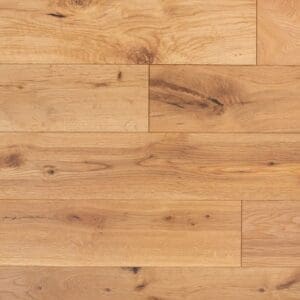
Oil is the more traditional of the two main engineered wood top coats — a penetrating finish that soaks into the oak rather than sitting on top of it, leaving a softer, more natural-looking surface that develops character over time. Oiled floors are the choice when you want the floor to look hand-finished rather than factory-uniform, and they are easier to repair than lacquer because oil can be touched up area by area without re-finishing the whole room.
Oiled finishes are available across both GF by Grosvenor Flooring and V4 Wood Flooring — the V4 collections in particular use V4’s own oil formulations, applied in V4’s UK finishing facility.
Oiled vs Lacquered
Oil penetrates the wood, leaves a matt or low-sheen surface, looks soft and natural, and can be touched up area by area. Lacquer sits on top of the wood, gives a harder, more uniform finish, is more low-maintenance day to day, and needs full-room re-finishing if it ever gets damaged. Neither is better — oil suits buyers who want a hand-finished look and are happy with a touch more day-to-day care; lacquer suits buyers who want low maintenance and don’t mind a more uniform surface.
Caring for an Oiled Floor
Sweep or hoover regularly, mop with an oil-soap cleaner suited to oiled wood floors (not standard household floor cleaners — they will strip the oil), and re-oil any areas that look dry or dull. Done properly, an oiled floor improves with age.
Where to Use Oiled Engineered Wood
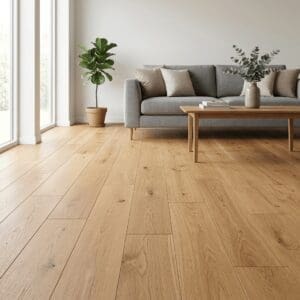
Most rooms — particularly suited to lounges, dining rooms and bedrooms where you want the floor to look hand-finished. For very high-traffic spaces like busy kitchens and hallways, lacquer can be the easier daily call.
Explore Related Categories
- Other finishes: lacquered, brushed, smoked or unfinished.
- By format: plank, herringbone or chevron.
- Brands: GF own-brand or V4 Wood Flooring.
How to Buy or Get a Quote
For GF: full online checkout, free samples and UK delivery. For V4: Request a Price via our enquiry form, WhatsApp or phone.




Frequently Asked Questions
What's the difference between oiled and lacquered?
Oil soaks into the wood and protects from within, leaving a natural, matt, tactile surface. Lacquer sits on top as a protective film. Oiled floors feel more like real wood; lacquered floors are lower-maintenance day to day.
How often does an oiled floor need re-oiling?
In a normal home, a light maintenance oil every 2–3 years in high-traffic areas is typical. It's a quick DIY job — clean, apply thin coat, buff. That's the main trade-off versus lacquer.
Are oiled floors more repairable than lacquered?
Yes, significantly. Because oil penetrates rather than coats, local scratches and scuffs can be spot-repaired by re-oiling just the affected area — no need to sand a whole board or room.
