Engineered Wood Herringbone
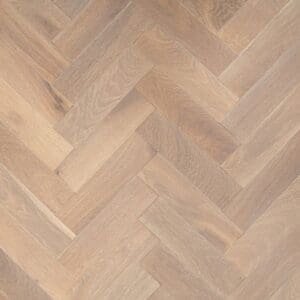
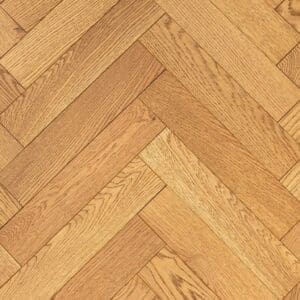
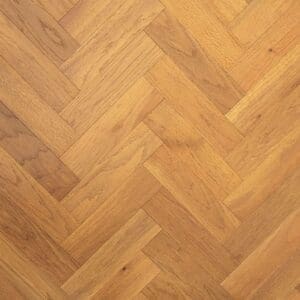
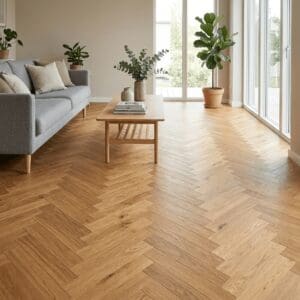
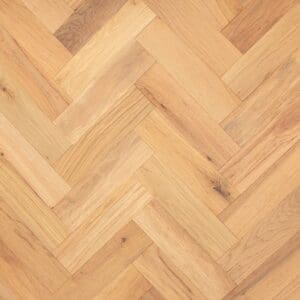
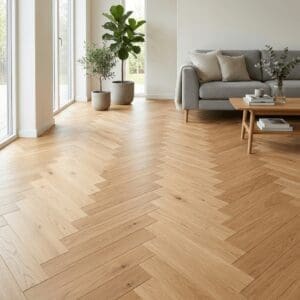
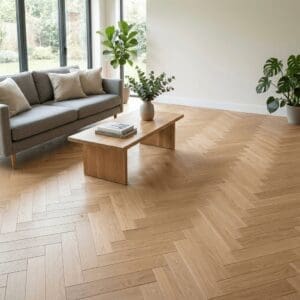
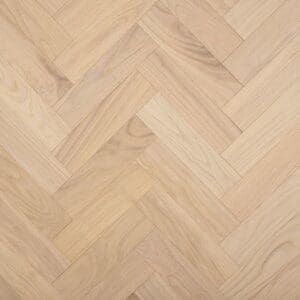
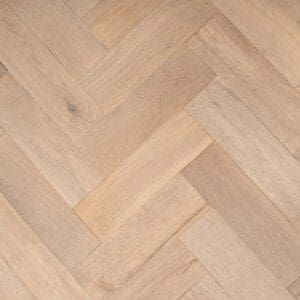
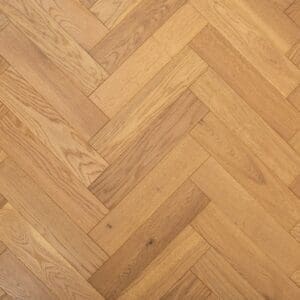
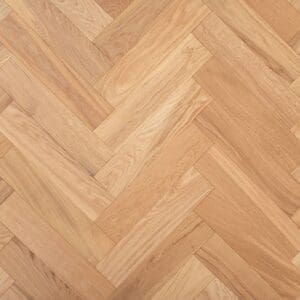
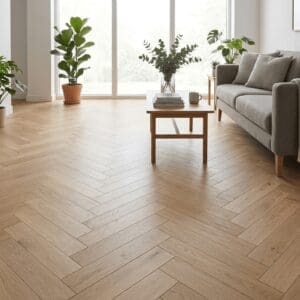
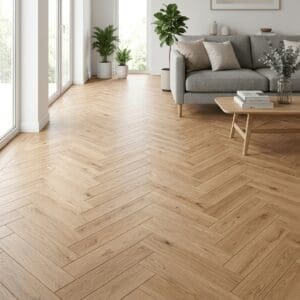
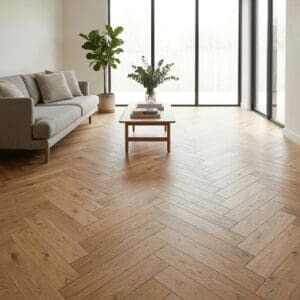
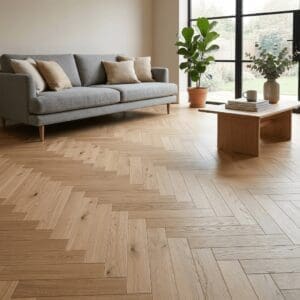
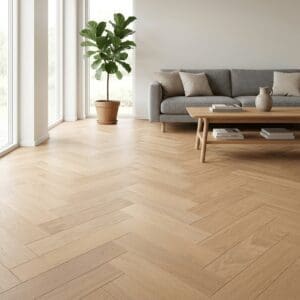
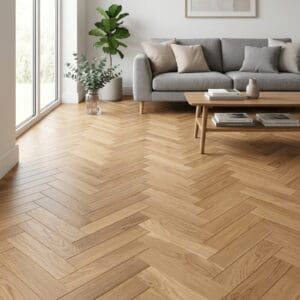
Engineered wood herringbone flooring is one of the most recognisable and widely used parquet patterns, offering a structured and design-led finish. The repeating pattern introduces movement and detail, making it a popular choice for both traditional and contemporary interiors.
This category brings together a selection of engineered wood herringbone flooring from the GF range alongside other complementary collections, offering a range of tones and finishes to suit different spaces.
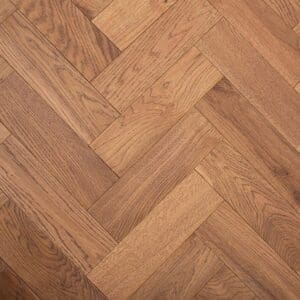
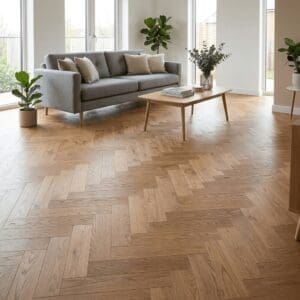
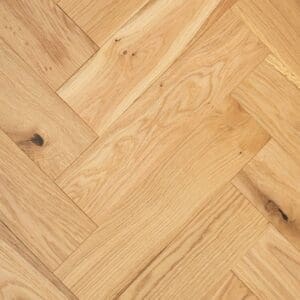
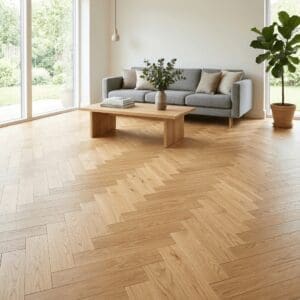
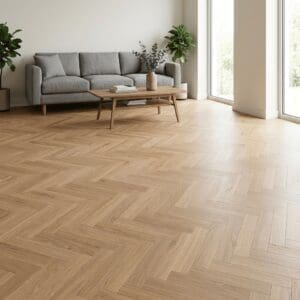
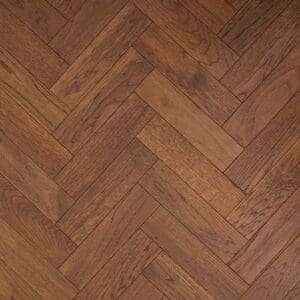
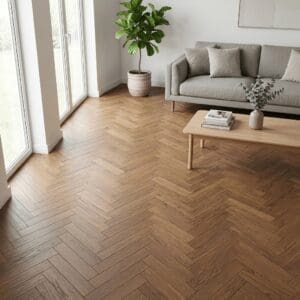
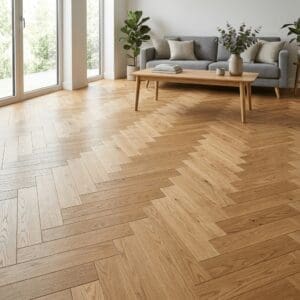
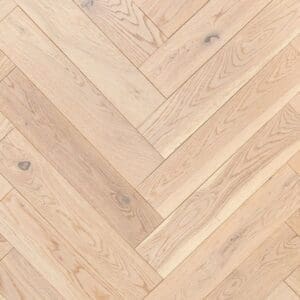
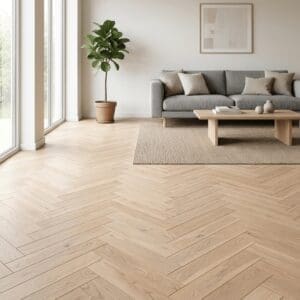
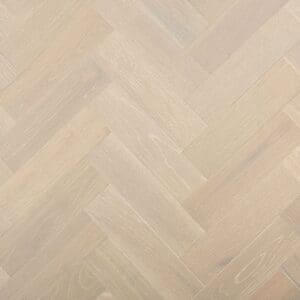
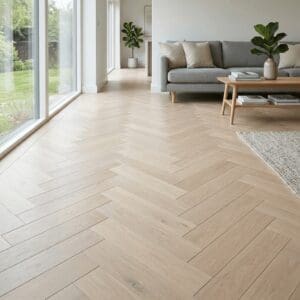
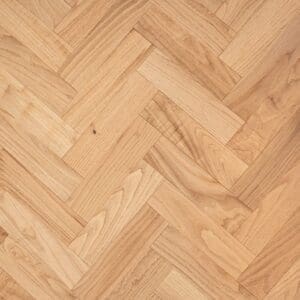
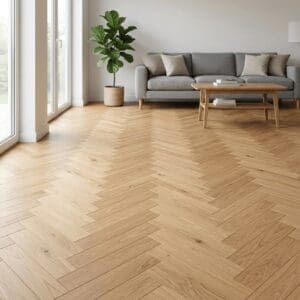
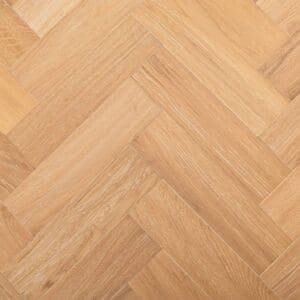
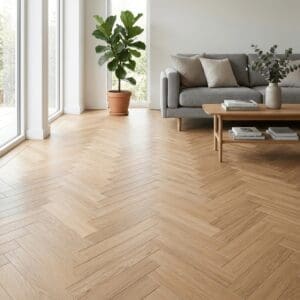
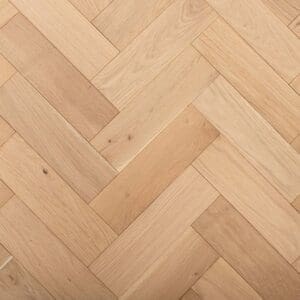
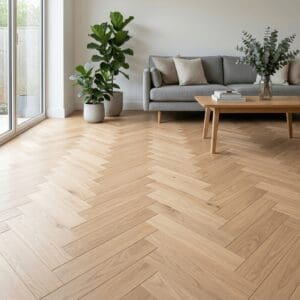
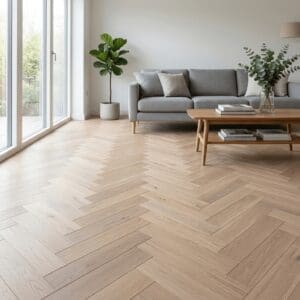
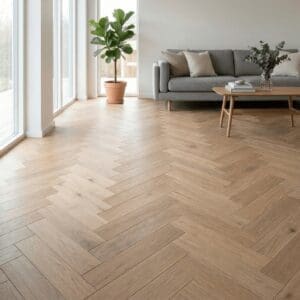
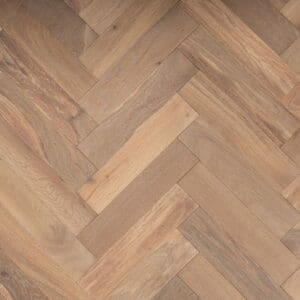
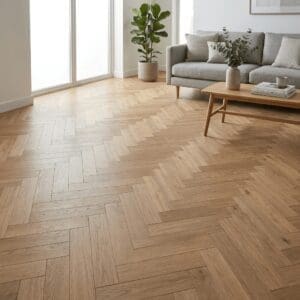
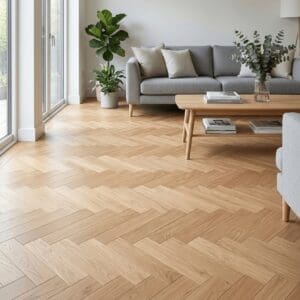
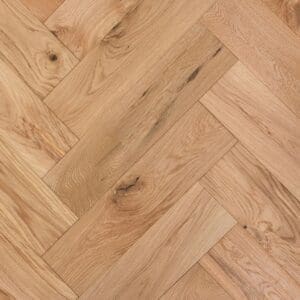
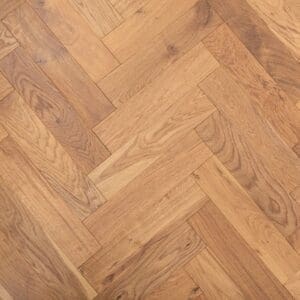
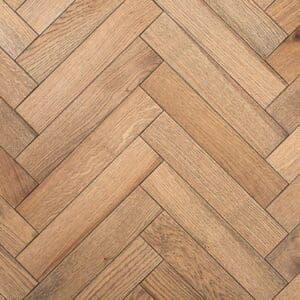
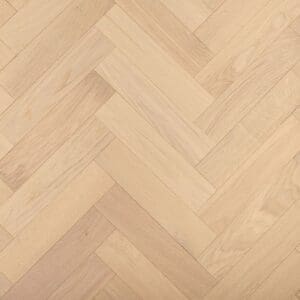
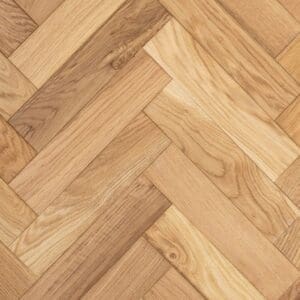
Herringbone flooring is created by laying rectangular boards in a staggered zigzag pattern, forming a distinctive and balanced design. This pattern works particularly well in hallways, living areas and open-plan spaces, where it can act as a strong visual feature.
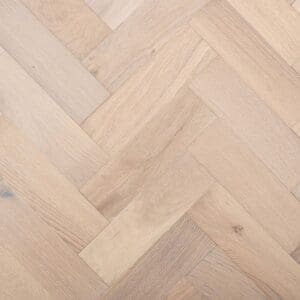
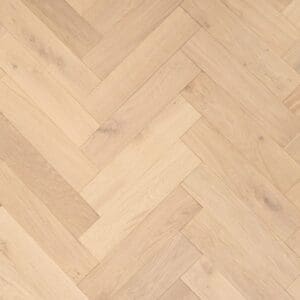
The choice of tone can significantly influence the overall effect. Lighter shades create a softer and more contemporary feel, while darker or smoked finishes add contrast and definition. The format of the boards also plays a role, with different sizes affecting the scale of the pattern.
Engineered construction ensures improved stability compared to solid wood, making herringbone flooring suitable for modern homes and compatible with underfloor heating systems. This allows a traditional pattern to be used in a wider range of environments.
Buying guide for engineered wood herringbone flooring
When selecting engineered wood herringbone flooring, consider the following factors to ensure you choose the right product for your home and lifestyle.
Room Usage / Location:
Engineered wood herringbone is versatile and can be used throughout the home, from living rooms and dining rooms to hallways and bedrooms. Its stable construction makes it suitable for areas where solid wood might not be recommended, such as over underfloor heating.
Lifestyle:
Consider the level of traffic in the room. For busy households, look for products with a thicker wear layer and a hard-wearing finish to resist scratches and daily wear and tear. The intricate patterns of herringbone can also be more forgiving at hiding minor imperfections.
Budget:
The cost of engineered wood herringbone flooring is typically higher than standard planks due to the intricate installation process and the number of individual blocks. Prices vary widely depending on the wood species, thickness of the wear layer, brand, and finish.
Durability & Maintenance:
The durability of your engineered wood floor is directly related to the thickness of its top layer and the quality of its finish. A thicker wear layer allows the floor to be sanded and refinished multiple times, extending its lifespan. Regular maintenance involves sweeping or vacuuming and occasional damp mopping with a manufacturer-approved cleaning solution.
Material Type Pros & Cons:
Pros:
Engineered wood provides the authentic look and feel of real wood. It is more dimensionally stable than solid wood, making it suitable for use with underfloor heating. It can be sanded and refinished to restore its appearance.
Cons:
Engineered wood is generally more expensive than laminate or LVT. The number of times it can be sanded is limited by the thickness of its wear layer. It can still be susceptible to scratches and dents, though this can be mitigated with a durable finish.
Aesthetics & Style:
Engineered wood herringbone offers a classic, sophisticated look with intricate geometric patterns. This style is perfect for creating a luxurious and elegant feel in a room and can be adapted to suit both traditional and contemporary interiors.
Comfort & Sound:
Engineered wood feels warm and comfortable underfoot, offering a softer and quieter surface than stone or ceramic tiles. Using a quality underlay can further improve its acoustic properties and provide additional cushioning.
Underfloor Heating:
Engineered wood is the most compatible type of real wood flooring for use with underfloor heating systems. The layered construction helps to prevent the floor from warping or gapping as the temperature changes. It is essential to choose an engineered wood product that is certified as suitable for this purpose.
Installation:
Engineered wood herringbone requires a more specialised installation process to ensure the intricate patterns are laid correctly. A glue-down method is often used to ensure the blocks are securely fixed. Professional fitting is highly recommended to ensure a perfect finish and to validate any product guarantees.
Sustainability:
The layered construction of engineered wood uses less of the valuable solid wood species per plank, making it a more efficient use of timber resources. Many manufacturers, like V4 and Kahrs, source their wood from sustainably managed forests.
Frequently asked questions about engineered wood herringbone flooring
Is engineered wood herringbone flooring a good choice for my home?
Yes, engineered wood herringbone is an excellent choice for a variety of home styles. It provides the natural look and feel of real wood with the enhanced stability of an engineered product, while also offering a unique and decorative pattern that adds a sense of luxury and sophistication to any room.
Can I use engineered wood herringbone flooring with underfloor heating?
Yes, engineered wood flooring is specifically designed to be used with underfloor heating systems. The multi-layered construction provides greater stability than solid wood, preventing the floor from expanding and contracting excessively with temperature fluctuations. However, it is always crucial to check that the specific product you choose is certified as suitable for this application.
How do I clean and maintain my engineered wood herringbone floor?
To maintain your engineered wood floor, it is best to regularly sweep or vacuum using a soft brush attachment to remove dust and debris. For a deeper clean, you can use a damp mop with a cleaning product specifically recommended by the flooring manufacturer. It is important to avoid using excessive water or harsh chemical cleaners, as these can damage the wood’s finish.
Frequently Asked Questions
Is engineered wood herringbone flooring a good choice for my home?
Yes, engineered wood herringbone is an excellent choice for a variety of home styles. It provides the natural look and feel of real wood with the enhanced stability of an engineered product, while also offering a unique and decorative pattern that adds a sense of luxury and sophistication to any room.
Can I use engineered wood herringbone flooring with underfloor heating?
Yes, engineered wood flooring is specifically designed to be used with underfloor heating systems. The multi-layered construction provides greater stability than solid wood, preventing the floor from expanding and contracting excessively with temperature fluctuations. However, it is always crucial to check that the specific product you choose is certified as suitable for this application.
How do I clean and maintain my engineered wood herringbone floor?
To maintain your engineered wood floor, it is best to regularly sweep or vacuum using a soft brush attachment to remove dust and debris. For a deeper clean, you can use a damp mop with a cleaning product specifically recommended by the flooring manufacturer. It is important to avoid using excessive water or harsh chemical cleaners, as these can damage the wood's finish.