Kitchen Engineered Wood
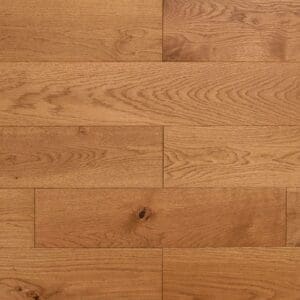
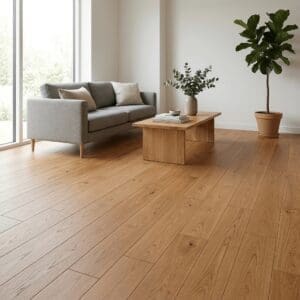
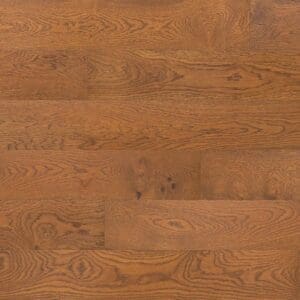
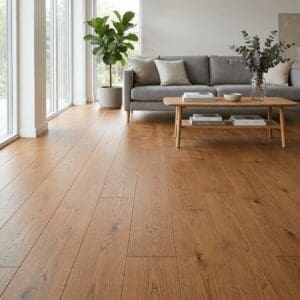
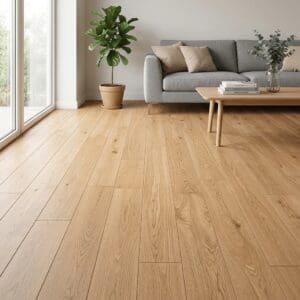
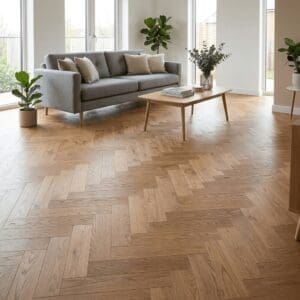
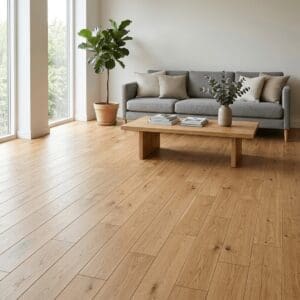
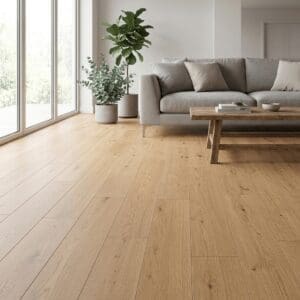
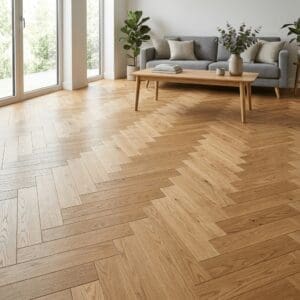
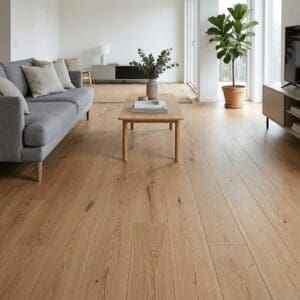
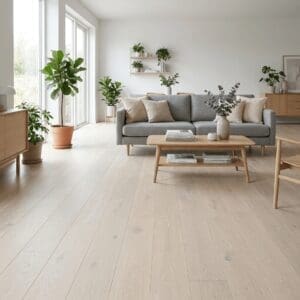
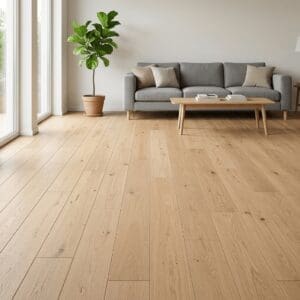
Engineered wood flooring can be used in kitchens where a consistent and natural finish is required across open-plan spaces. Combining the look of real timber with improved stability, it offers a practical option for creating a seamless transition between kitchen and living areas.
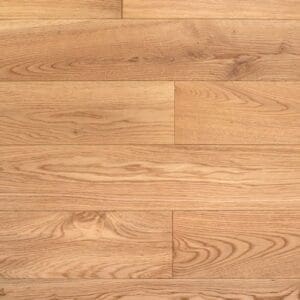
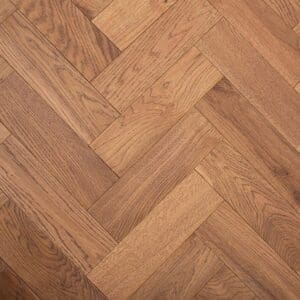
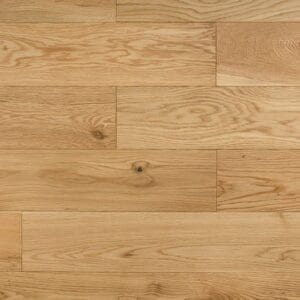
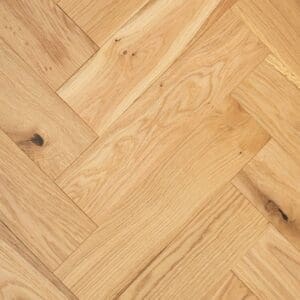
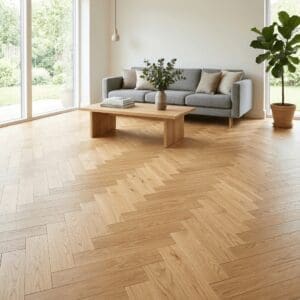
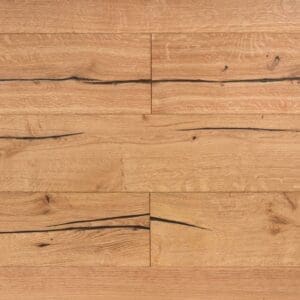
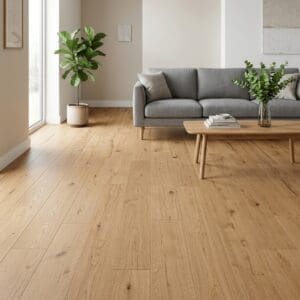
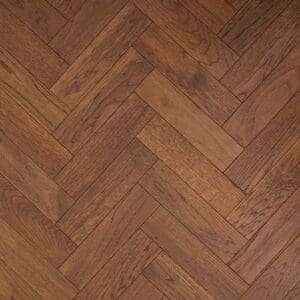
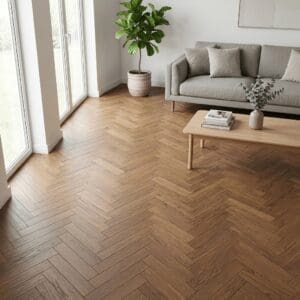
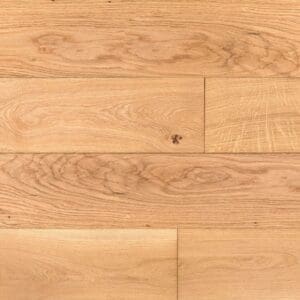
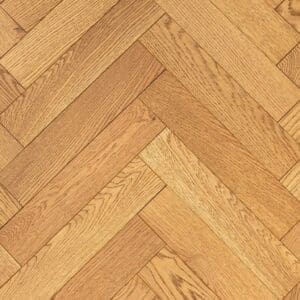
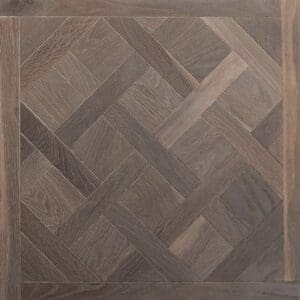
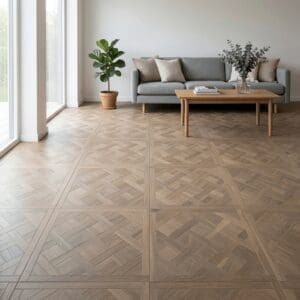
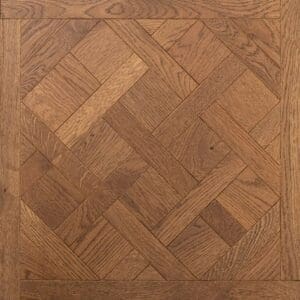
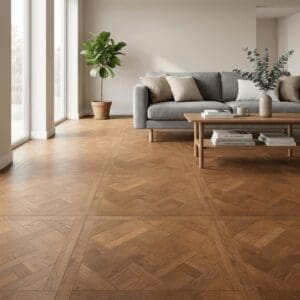
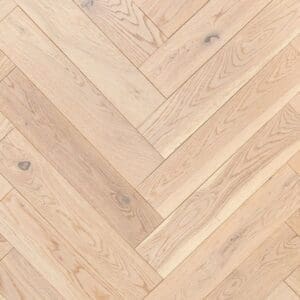
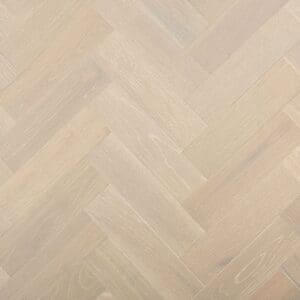
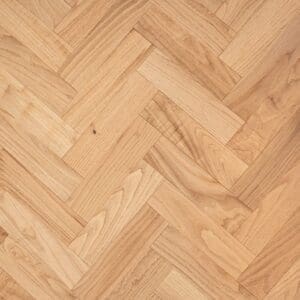
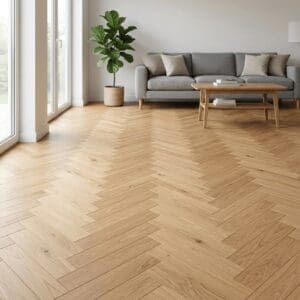
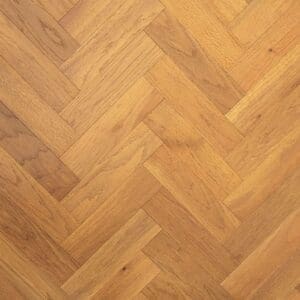
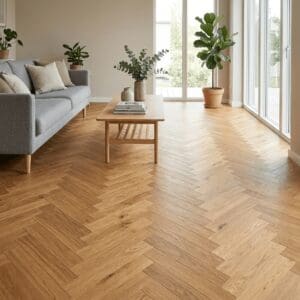
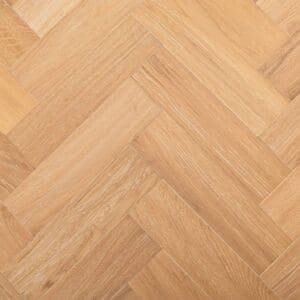
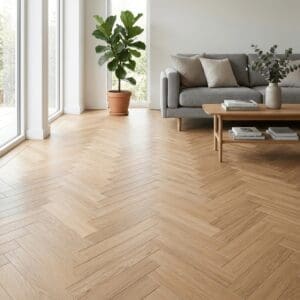
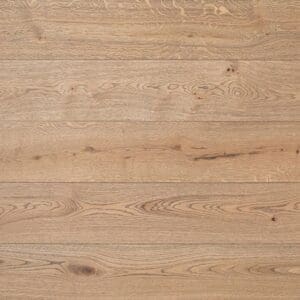
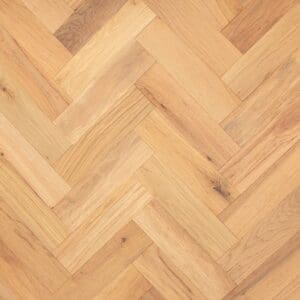
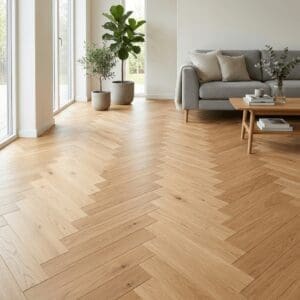
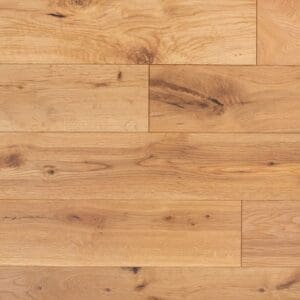
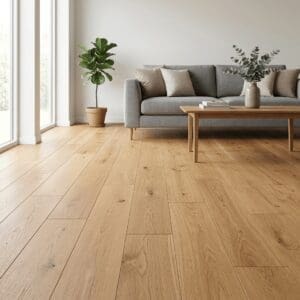
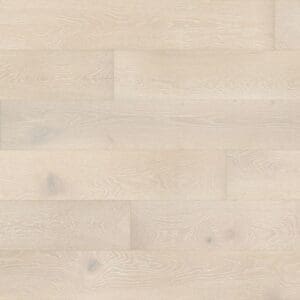
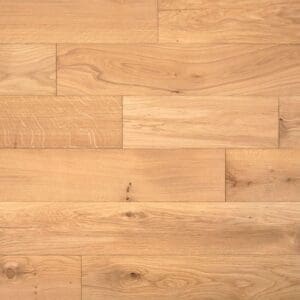
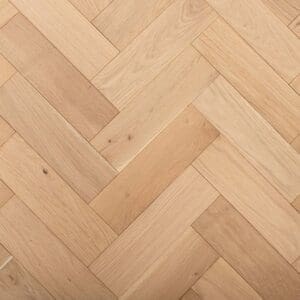
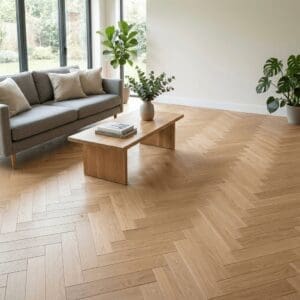
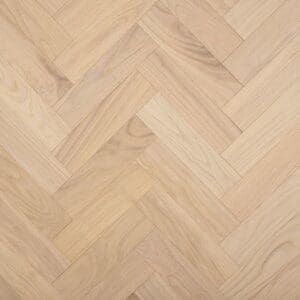
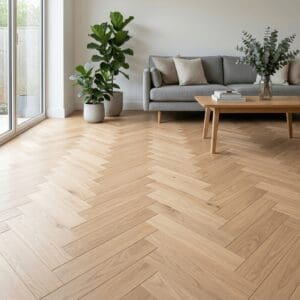
This category includes a range of engineered wood flooring from the GF collection alongside other selected ranges, with options available in both plank and patterned formats to suit different layouts and styles.
Kitchens require flooring that can cope with changes in temperature and occasional moisture, making engineered wood a more suitable choice than solid wood. The layered construction helps to reduce movement, improving performance in these environments.
Finish plays an important role in kitchen settings. Lacquered and sealed surfaces provide additional protection, while brushed textures help to disguise minor marks and wear over time.
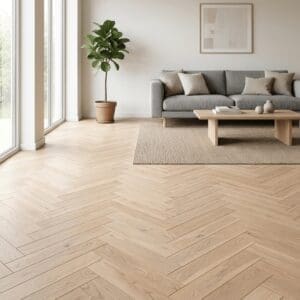
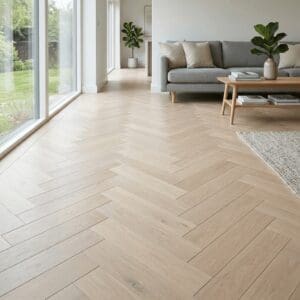
Using the same flooring throughout adjoining spaces can help create a more cohesive and open feel, particularly in modern layouts where kitchen, dining and living areas are combined.
Buying guide for kitchen engineered wood flooring
Choosing the right engineered wood flooring for your kitchen involves several important considerations to ensure it stands up to the unique demands of this space.
Room Usage / Location: The kitchen is a high-traffic area prone to spills and moisture. While engineered wood is more stable than solid wood, it’s vital to choose a product with a high-quality, durable finish to protect it from splashes and stains. Immediate clean-up of spills is essential.
Lifestyle: Consider your kitchen lifestyle. If you have a busy household with frequent spills, you might want to opt for a more resilient flooring type, or a wood with a distressed finish that is better at hiding marks. An engineered wood floor with a durable, protective finish is recommended.
Budget: The cost of engineered wood flooring can vary significantly depending on the wood species, wear layer thickness, and brand. While it is generally more expensive than LVT or laminate, it is often more affordable than solid wood and offers a longer lifespan.
Durability & Maintenance: The durability of engineered wood is determined by the thickness of its real wood wear layer and the quality of its finish. A thicker wear layer allows the floor to be sanded and refinished multiple times. For a kitchen, a strong, protective finish is key. Maintenance is simple: regular sweeping or vacuuming with a soft brush and occasional mopping with a manufacturer-approved cleaner.
Material Type Pros & Cons:
Pros: Engineered wood provides the authentic look of real wood with better stability and a wider range of installation options. It’s a more sustainable choice as it uses less top-grade wood species compared to solid wood. It is also suitable for use with underfloor heating systems.
Cons: It is generally more expensive than laminate or LVT. It is still a natural product and can be susceptible to damage from excessive moisture, so it requires immediate clean-up of spills. The wear layer limits the number of times it can be sanded.
Aesthetics & Style: Engineered wood can be used to create a stunning, warm, and inviting kitchen. The wide variety of wood species, stains, and finishes, from rustic to modern, allows you to find a perfect match for any kitchen decor.
Comfort & Sound: Engineered wood offers a warm and comfortable surface underfoot, which is a great benefit for a kitchen where you spend a lot of time on your feet. It is also quieter than other hard flooring options like stone or ceramic tile.
Underfloor Heating: Engineered wood flooring is an excellent choice for use with underfloor heating systems. Its stable, layered construction handles temperature changes better than solid wood, making it less likely to warp or crack.
Installation: Engineered wood can be installed as a floating floor, glued down, or nailed down. Professional installation is highly recommended to ensure the best results and to comply with warranty requirements. It is particularly important in a kitchen to ensure a tight, sealed fit.
Sustainability: Many manufacturers, like V4 and Kahrs, source their wood from sustainably managed forests, and the efficient use of timber in engineered flooring makes it a more eco-friendly choice than solid wood.
Frequently asked questions about kitchen engineered wood flooring
Is engineered wood flooring a practical choice for a kitchen?
Engineered wood can be a practical and beautiful choice for a kitchen, but it requires careful consideration. While it is more stable than solid wood, it is still a natural product and must be protected from excessive moisture. Choosing a high-quality product with a durable finish and cleaning up spills immediately are key to its long-term success in this environment.
How do I protect my engineered wood kitchen floor from water damage?
To protect your engineered wood kitchen floor, it is crucial to clean up any spills or splashes immediately. You should also ensure that the floor is properly installed and sealed to prevent moisture from seeping into the planks. Using rugs or mats in high-spill areas, such as in front of the sink or dishwasher, can also provide extra protection.
Is engineered wood flooring easy to clean in a kitchen?
Yes, engineered wood flooring is relatively easy to clean. Regular sweeping or vacuuming with a soft brush attachment will remove daily dirt and crumbs. For a deeper clean, you can use a damp mop with a cleaning product specifically recommended for wood floors. Avoid using harsh chemicals or steam cleaners, as these can damage the finish.
Frequently Asked Questions
Is engineered wood flooring a practical choice for a kitchen?
Engineered wood can be a practical and beautiful choice for a kitchen, but it requires careful consideration. While it is more stable than solid wood, it is still a natural product and must be protected from excessive moisture. Choosing a high-quality product with a durable finish and cleaning up spills immediately are key to its long-term success in this environment.
How do I protect my engineered wood kitchen floor from water damage?
To protect your engineered wood kitchen floor, it is crucial to clean up any spills or splashes immediately. You should also ensure that the floor is properly installed and sealed to prevent moisture from seeping into the planks. Using rugs or mats in high-spill areas, such as in front of the sink or dishwasher, can also provide extra protection.
Is engineered wood flooring easy to clean in a kitchen?
Yes, engineered wood flooring is relatively easy to clean. Regular sweeping or vacuuming with a soft brush attachment will remove daily dirt and crumbs. For a deeper clean, you can use a damp mop with a cleaning product specifically recommended for wood floors. Avoid using harsh chemicals or steam cleaners, as these can damage the finish.