Engineered Wood Flooring
Engineered wood flooring is one of the most popular choices for homeowners looking to achieve the natural beauty of real wood with improved stability and performance. At Grosvenor Flooring, we supply a carefully selected range of engineered wood flooring designed to suit modern homes, combining timeless design with practical durability.
Unlike solid wood flooring, engineered wood is constructed using multiple layers, with a real hardwood top layer bonded to a stable core. This provides the authentic look and feel of timber while reducing movement caused by changes in temperature and humidity, making it a more versatile option for a wide range of spaces.
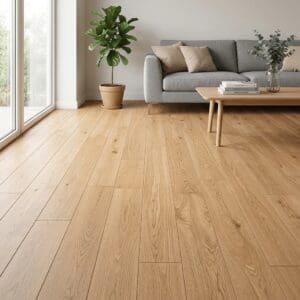
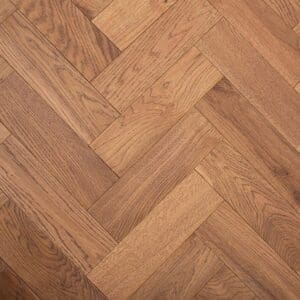
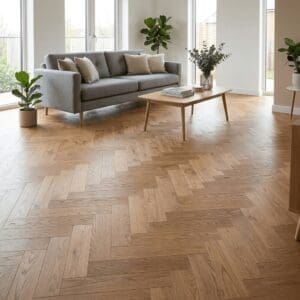
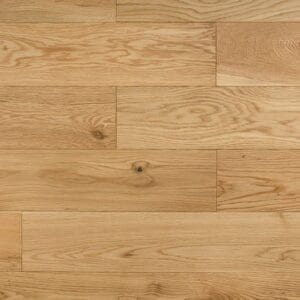
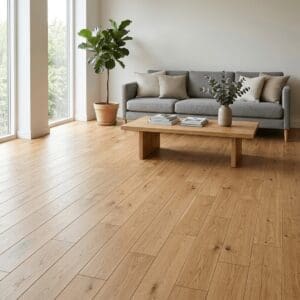
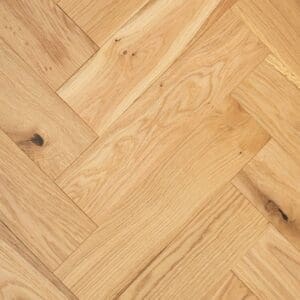
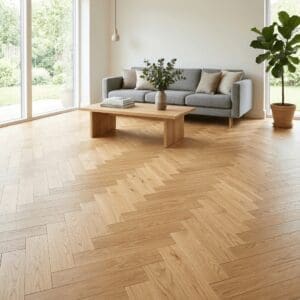
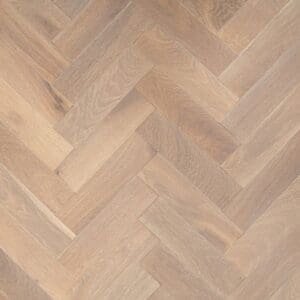
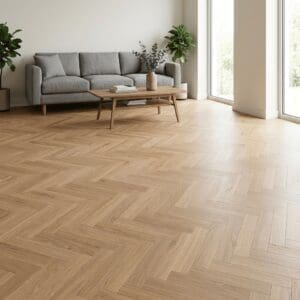
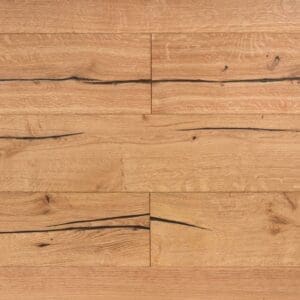
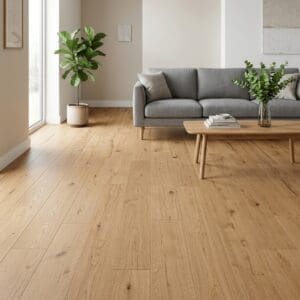
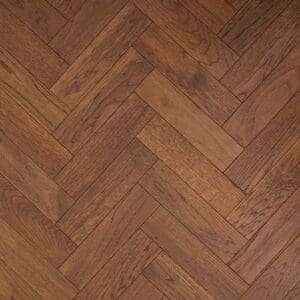
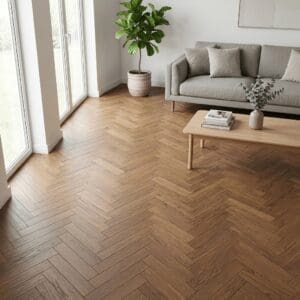
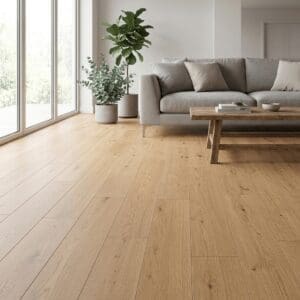
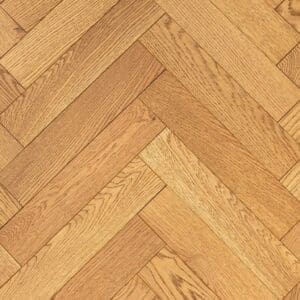
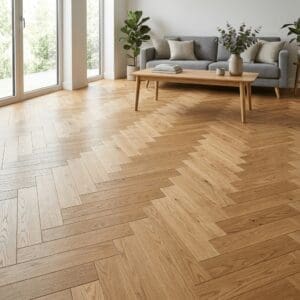
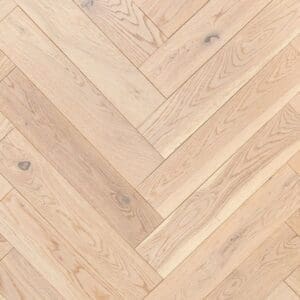
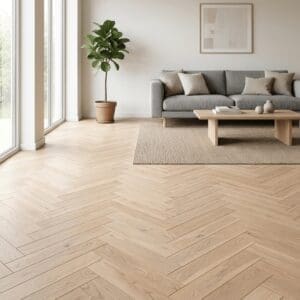
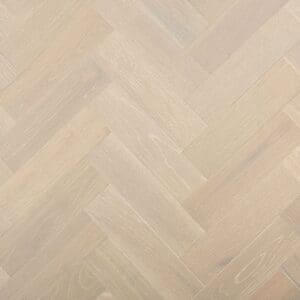
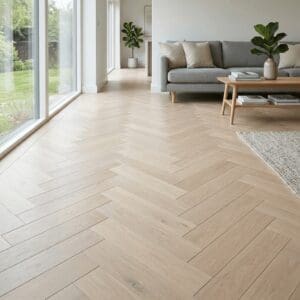
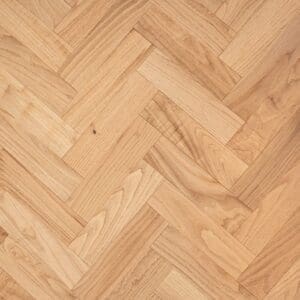
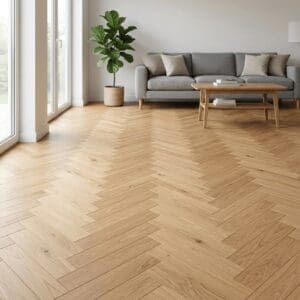
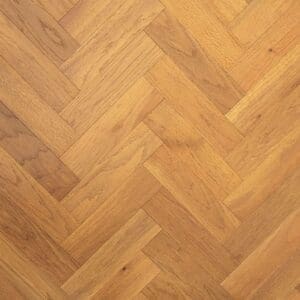
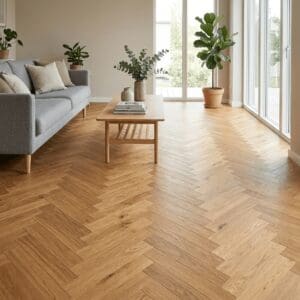
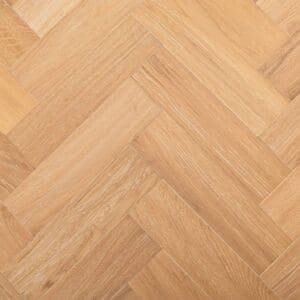
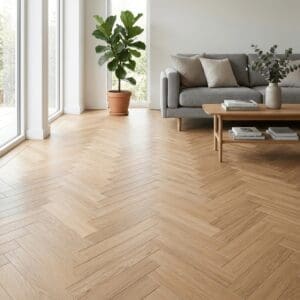
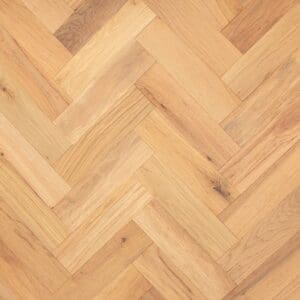
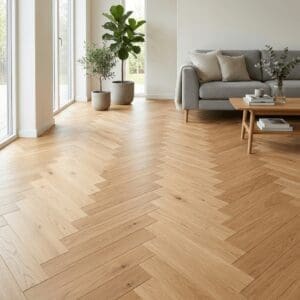
Our collection includes premium ranges such as our GF engineered wood flooring collections, alongside carefully selected options designed to deliver a high-end finish without unnecessary complexity. Whether you are looking for wide plank boards, classic oak tones or herringbone designs, engineered wood offers a flexible solution for both traditional and contemporary interiors.
From living rooms and bedrooms to hallways and open-plan spaces, engineered wood flooring provides a warm, natural finish that adds long-term value to your home.
Engineered wood flooring is designed to combine the visual appeal of real timber with the performance benefits required for modern living. Each board is constructed using a layered structure, with a solid wood wear layer on top and a multi-layer core beneath. This cross-layered construction improves stability, reducing expansion and contraction compared to solid wood flooring.
This increased stability means engineered wood can be used in a wider range of environments, including spaces where temperature and humidity may fluctuate. It is particularly well suited to open-plan layouts and homes with underfloor heating, where maintaining consistent performance is essential.
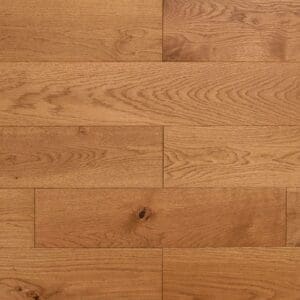
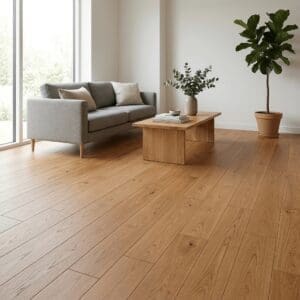
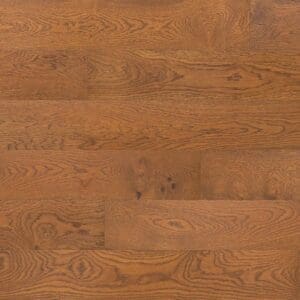
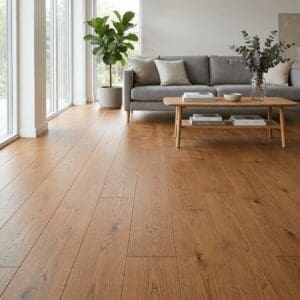
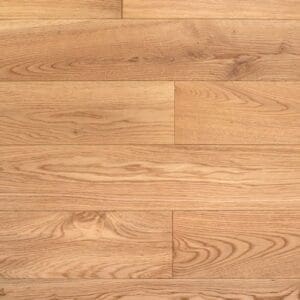
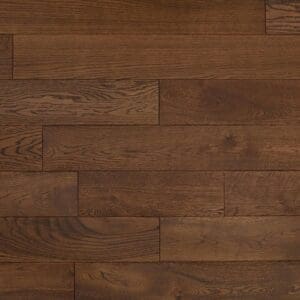
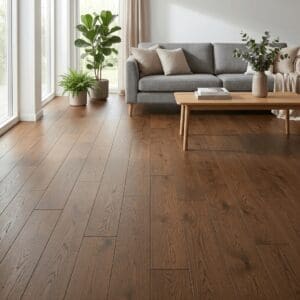
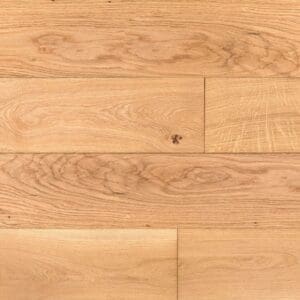
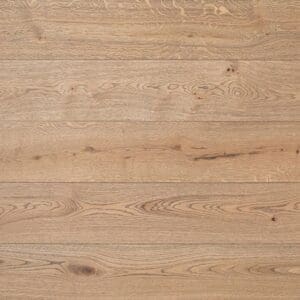
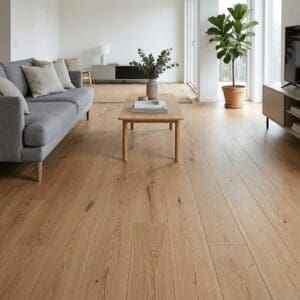
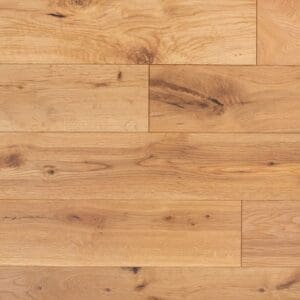
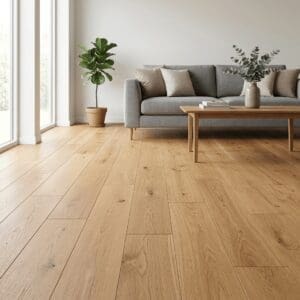
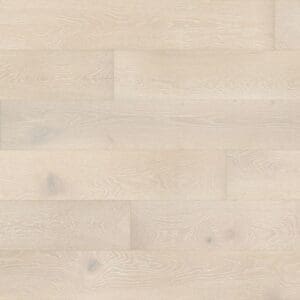
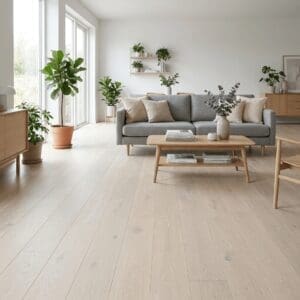
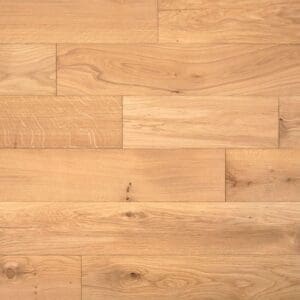
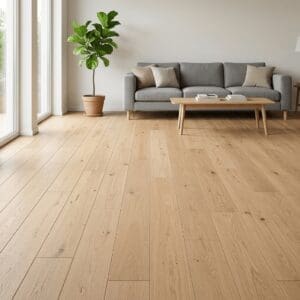
One of the key advantages of engineered wood flooring is its versatility in design. Oak remains one of the most popular choices due to its natural grain and wide range of tones, from light and contemporary through to darker, more traditional finishes. Plank size also plays an important role, with wider boards often used to create a more premium, open feel, while narrower planks can add structure and detail to a space.
Surface finishes vary depending on the look you want to achieve. Lacquered finishes provide a more uniform and durable surface, while oiled finishes enhance the natural texture of the wood and allow for easier spot repairs over time. Brushed and textured finishes can also help create a more natural and characterful appearance.
Engineered wood flooring is a long-term investment. The thickness of the wear layer determines how many times the floor can be sanded and refinished, allowing it to be restored and maintained over many years. This makes it a practical choice for homeowners who want a floor that will continue to perform and look good over time.
While engineered wood is more resistant to moisture than solid wood, it is still important to treat it with care. It is best suited to living spaces, bedrooms and hallways, although it can also be used in kitchens with the right precautions. Spills should be cleaned promptly to protect the surface and maintain the finish.
Seeing engineered wood flooring in person can make a significant difference when choosing the right option. In our Altrincham showroom, you can compare different tones, finishes and plank sizes at full scale, helping you make a more confident decision.
Engineered Wood Flooring Buying Guide
Choosing the right engineered wood flooring involves balancing design, performance and budget. This guide outlines the key considerations to help you select the best option for your home.
Room Usage / Location: Engineered wood flooring is suitable for most areas of the home, including living rooms, bedrooms, hallways and open-plan spaces. Its improved stability makes it more versatile than solid wood, although it should generally be avoided in high-moisture areas unless specifically recommended.
Lifestyle: For busy households, choosing a durable finish and an appropriate wear layer is important. Brushed and textured finishes can help reduce the visibility of everyday wear, while lacquered surfaces provide additional protection.
Budget: Engineered wood flooring is available across a range of price points. Factors such as wear layer thickness, board size, finish and overall construction all influence cost. Investing in a higher-quality product can provide better long-term value.
Durability & Maintenance: Durability depends on both the wear layer and the finish. Regular sweeping or vacuuming and occasional cleaning with a suitable wood floor cleaner will help maintain the surface. Avoid excessive moisture and harsh cleaning products.
Material Type Pros & Cons:
Pros: Real wood appearance, improved stability, suitable for underfloor heating, long lifespan, can be sanded and refinished.
Cons: Not fully waterproof, can be affected by moisture if not maintained properly, generally higher cost than laminate flooring.
Aesthetics & Style: Engineered wood offers a wide range of styles, from light natural tones to darker finishes. Plank width, surface texture and finish all influence the final look, so it is important to consider how the flooring will work within your space.
Comfort & Sound: Wood flooring provides a warm and natural feel underfoot, with better acoustic performance than many alternative flooring types. Using the correct underlay can further improve comfort and sound reduction.
Underfloor Heating: Most engineered wood flooring is compatible with underfloor heating systems. Always follow manufacturer guidelines regarding temperature limits and installation methods.
Installation: Engineered wood can be installed using floating or glue-down methods depending on the product and subfloor. Professional installation is recommended to ensure the best possible finish and long-term performance.
Sustainability: Many engineered wood products are sourced from responsibly managed forests. Look for certifications such as FSC or PEFC if sustainability is an important factor in your decision.
Frequently Asked Questions
Is engineered wood flooring suitable for underfloor heating?
Yes, generally engineered wood flooring is highly suitable for use with underfloor heating (UFH) systems, particularly water-based ones. Its layered construction provides excellent stability, minimising expansion and contraction caused by temperature changes. However, it's crucial to always check the specific manufacturer's recommendations regarding compatibility, maximum surface temperature limits (often around 27°C), and required installation methods for use with UFH.
Can engineered wood flooring be sanded and refinished?
Yes, most engineered wood floors can be sanded and refinished, but the number of times depends entirely on the thickness of the solid wood top layer (wear layer). Floors with a thicker wear layer (e.g., 3mm, 4mm, or more) can typically be sanded and refinished 2-4 times over their lifespan, helping to remove scratches and restore the original appearance. Floors with very thin wear layers (1-2mm) may only allow for light sanding or recoating, or none at all.
What is the difference between engineered wood and solid wood flooring?
The main difference lies in their construction. Solid wood flooring is made from a single piece of timber, whereas engineered wood has a top layer of real hardwood bonded to a core of multiple layers (like plywood or HDF). This layered structure makes engineered wood more dimensionally stable, less prone to expanding or contracting with humidity changes, and generally more suitable for installation over underfloor heating or in areas like basements or conservatories where solid wood might warp.
How does engineered wood compare to laminate flooring?
Engineered wood features a genuine solid wood top layer, giving it an authentic look, feel, and natural variation. Laminate flooring uses a high-resolution photographic image of wood (or stone/tile) fused onto a core board (usually HDF) and protected by a clear wear layer. While high-quality laminate can look very realistic, it doesn’t have the unique texture or warmth of real wood. Engineered wood can often be sanded and refinished, whereas laminate cannot. Laminate is typically more budget-friendly and sometimes offers greater scratch resistance, while engineered wood adds more perceived value to a property.