GF Engineered Wood Herringbone
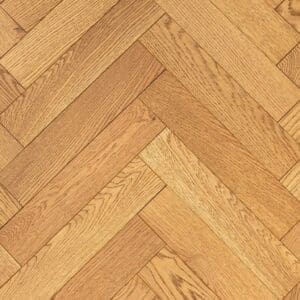
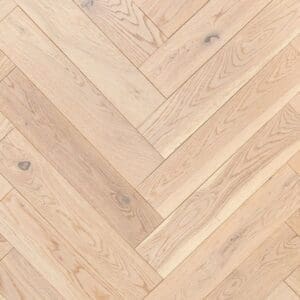
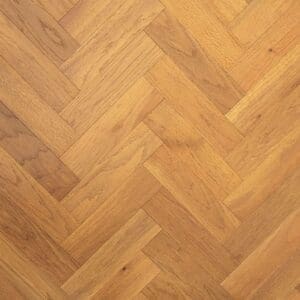
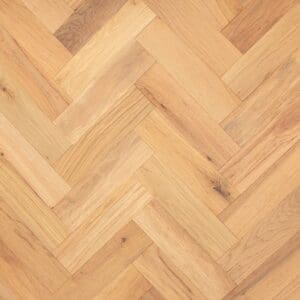
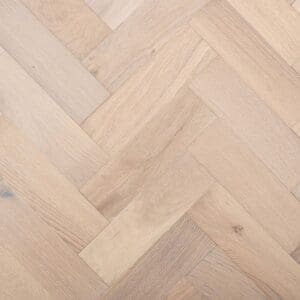
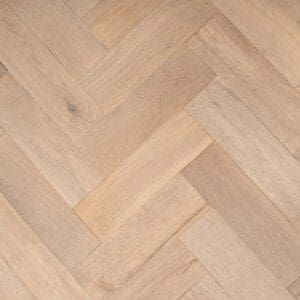
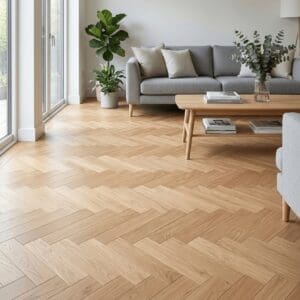
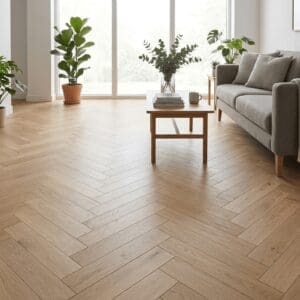
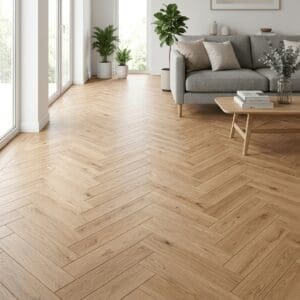
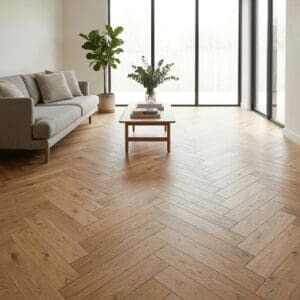
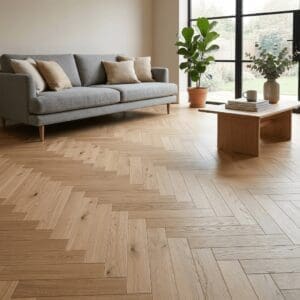
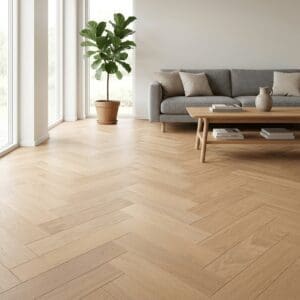
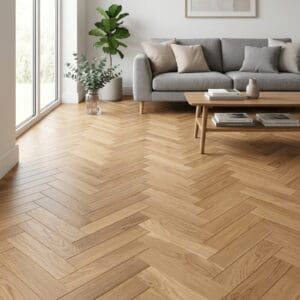
The GF Engineered Wood Herringbone collection by Grosvenor Flooring has been developed to bring structure, detail and a sense of refinement to modern interiors. Inspired by classic parquet flooring but designed for contemporary living, the range offers a considered selection of oak tones and finishes, each chosen to create a distinctive and cohesive look across the home.
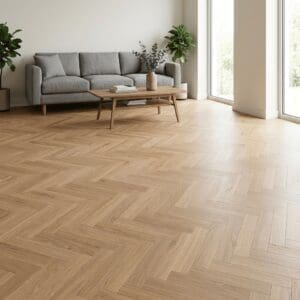
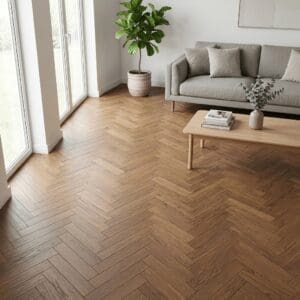
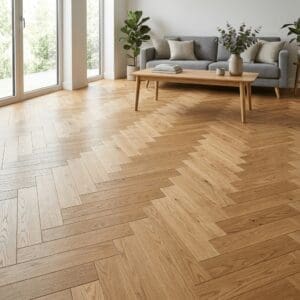
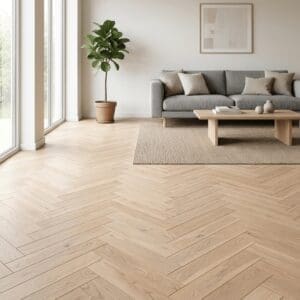
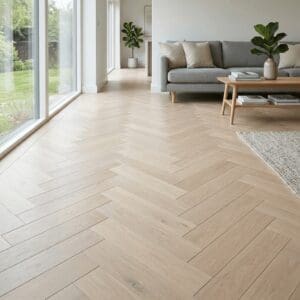
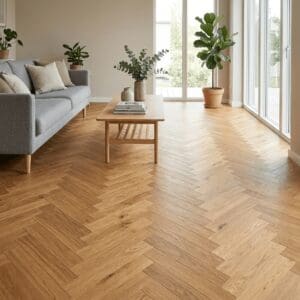
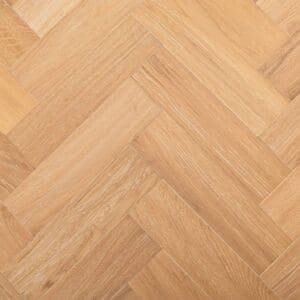
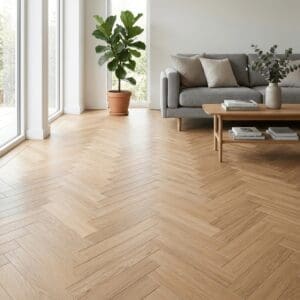
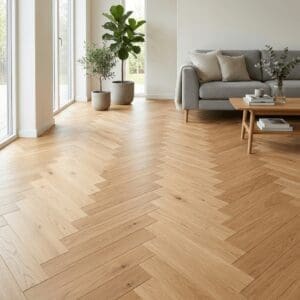
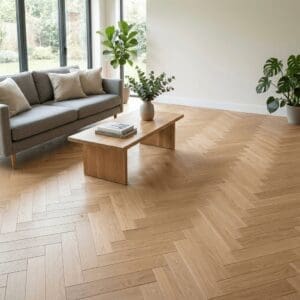
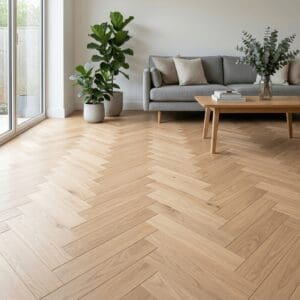
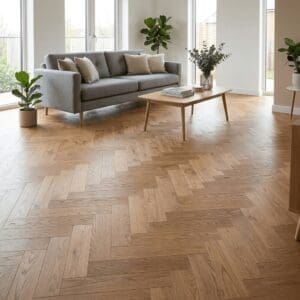
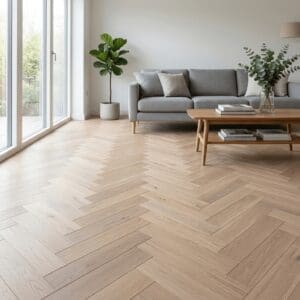
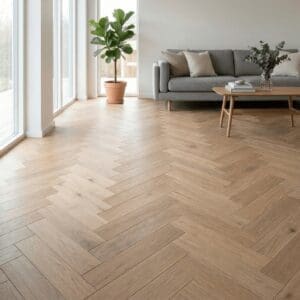
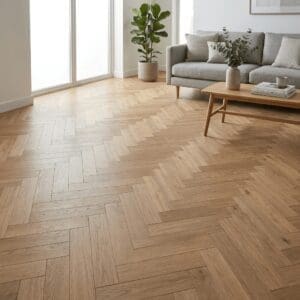
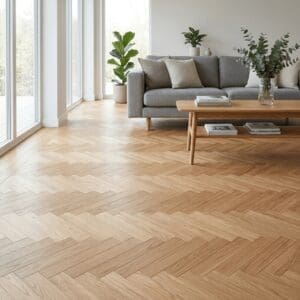
Herringbone flooring has long been associated with period properties and traditional design, but it has become increasingly popular in more modern spaces where it adds depth and visual interest. The repeating pattern introduces a sense of movement and geometry, making it ideal for hallways, open-plan areas and rooms where a more design-led finish is desired. Within the GF collection, each herringbone floor has been selected to balance this visual impact with natural, versatile tones that work across a wide range of interior styles.
As with the wider GF Engineered Wood range, these floors are constructed using a layered structure that provides enhanced stability compared to solid wood. This allows them to perform reliably in everyday environments, including installation over underfloor heating, while still offering the authentic look and feel of real timber.
Engineered wood herringbone flooring combines traditional craftsmanship with modern construction. Each plank features a real hardwood wear layer, supported by a stable engineered core that reduces movement within the floor. This construction is particularly important in the UK, where changes in temperature and humidity can affect natural materials. By limiting expansion and contraction, engineered herringbone flooring provides a more consistent and durable result over time.
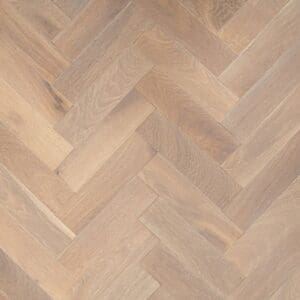
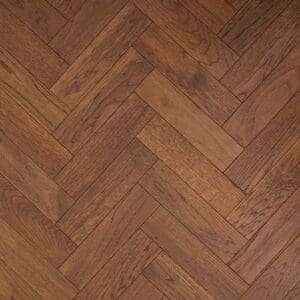
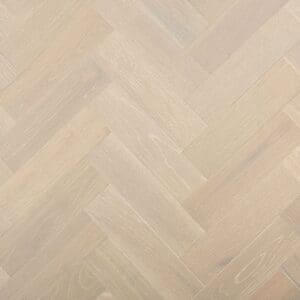
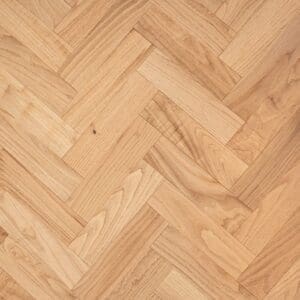
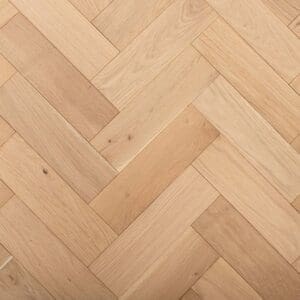
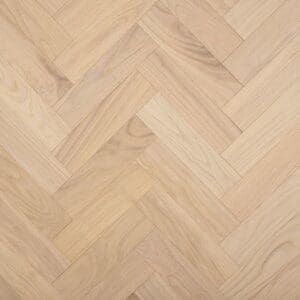
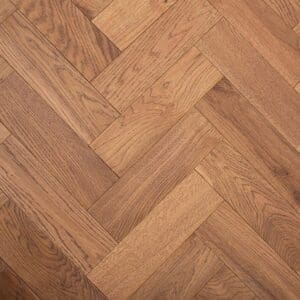
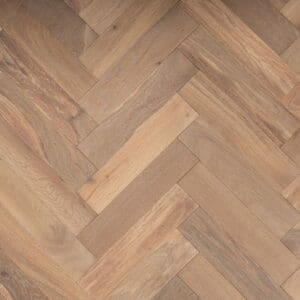
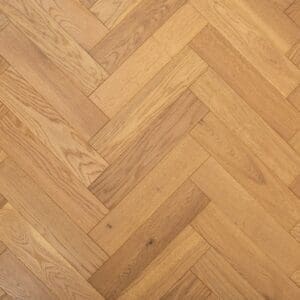
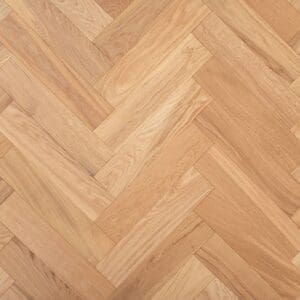
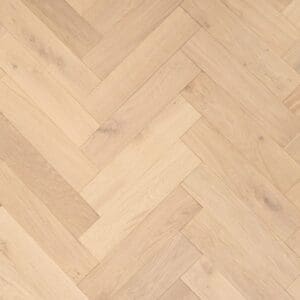
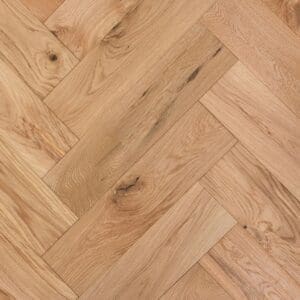
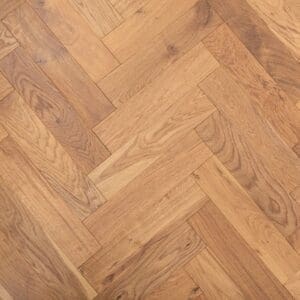
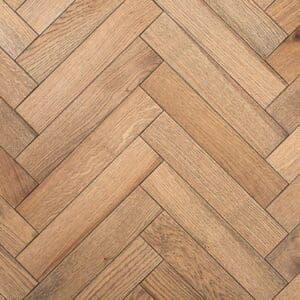
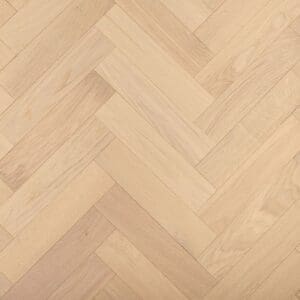
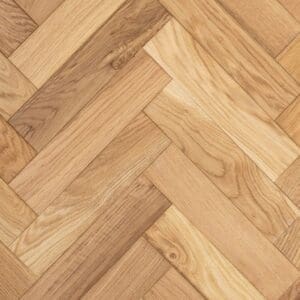
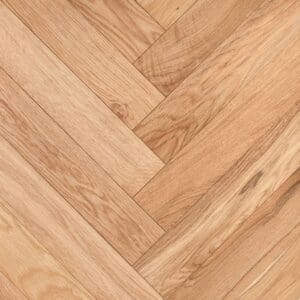
Within the GF Herringbone collection, a range of finishes and tones are available to suit different spaces. Lighter, natural oak tones create a clean and understated look, while warmer and smoked finishes add depth and contrast. Brushed surfaces highlight the grain of the wood, giving a more textured, tactile feel, while smoother finishes offer a more contemporary appearance. Each option has been selected to ensure the range feels balanced and cohesive rather than overwhelming.
The installation of herringbone flooring requires a higher level of precision than standard plank layouts, as the pattern must align consistently across the space. Careful preparation of the subfloor is essential to achieve a clean and accurate finish. When installed correctly, herringbone flooring creates a strong visual impact, adding character and structure that can elevate the overall feel of a room.
In addition to its visual appeal, engineered wood herringbone flooring offers practical benefits. The natural properties of wood provide a warmer surface underfoot compared to harder materials, while the layered construction helps to improve stability and reduce noise. This makes it particularly well suited to busy areas of the home, including hallways, kitchens and living spaces.
Choosing GF Engineered Wood Herringbone is not simply about selecting a flooring style, but about introducing a more considered and architectural element into the home. The combination of pattern, material and finish creates a floor that feels both timeless and contemporary, designed to work as part of a wider interior rather than as a standalone feature.
Buying Guide
Selecting the right herringbone floor requires a balance between design preference and the practical needs of your specific installation area.
- Room usage / Location: Herringbone is a prestigious choice for hallways, living rooms, and dining areas. While highly stable, we generally recommend moisture-resistant alternatives for bathrooms.
- Lifestyle: For busy family homes with pets, consider a “Rustic” grade with a brushed and oiled finish, as this helps hide minor scratches and can be spot-repaired more easily than lacquered surfaces.
- Budget: Engineered herringbone is a high-value investment. While the initial cost is higher than laminate, its ability to be sanded and refinished adds long-term value to your home.
- Durability & Maintenance: Regular maintenance involves sweeping with a soft brush and using manufacturer-approved wood cleaners. Avoid excessive water and never use steam mops on real wood floors.
- Material Type Pros & Cons: Pros include authentic wood beauty, underfloor heating compatibility, and property value enhancement. Cons include a higher price point and a longer installation time compared to straight-plank designs.
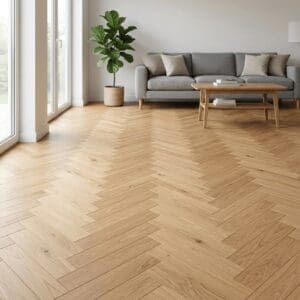
- Aesthetics & Style: Choose between traditional herringbone or contemporary chevron. Consider the plank size; smaller blocks offer a classic feel, while larger planks can make a room feel more expansive.
- Comfort & Sound: Wood is naturally warm and, when installed by our expert team with the correct underlay, provides a quiet and comfortable walking surface.
- Underfloor Heating: Engineered herringbone is fully compatible with UFH. It conducts heat efficiently and maintains its structural integrity through temperature changes.
- Installation: We strongly recommend our professional “supply and fit” service for herringbone patterns. Precise subfloor preparation and expert layout are essential for a professional finish.
- Sustainability: Most of our engineered wood brands, such as GF prioritise sustainable sourcing from responsibly managed forests.
Frequently Asked Questions
Can engineered herringbone be used with underfloor heating?
Yes, engineered wood herringbone is specifically designed for underfloor heating. Its multi-layer construction allows it to handle the heat without the warping or gapping that affects solid wood.
How many times can an engineered herringbone floor be sanded?
This depends on the thickness of the real wood wear layer (lamella). Typically, a quality 4mm wear layer can be sanded 2 to 3 times, allowing the floor to last for decades
What is the difference between herringbone and chevron?
In a herringbone pattern, the planks are rectangular and meet at a 90-degree angle. In a chevron pattern, the ends of the planks are cut at an angle to meet in a continuous "V" or point.
Is a herringbone floor more expensive to install?
Yes, herringbone installation usually costs more than standard planks because the layout is more complex, requires more precision, and typically results in a slightly higher waste percentage during cutting.
How do I maintain my herringbone wood floor?
Regular sweeping and vacuuming with a soft floor attachment are essential. Use a well-wrung damp mop with a specialist wood floor cleaner, and avoid harsh chemicals or saturated cloths.