GF Engineered Wood Flooring
The GF Engineered Wood Flooring collection by Grosvenor Flooring has been carefully developed to combine the timeless character of natural oak with the performance required for modern living. Inspired by locations across Cheshire, each floor within the range has been selected to feel considered, cohesive and premium, offering a distinctive alternative to standard, mass-market flooring collections.
Engineered wood flooring is widely regarded as the ideal choice for contemporary homes, delivering the authentic appearance of real timber with enhanced structural stability. Unlike solid wood, engineered boards are constructed using multiple layers, allowing them to better withstand changes in temperature and humidity. This makes them particularly well suited to the demands of everyday life, including installation over underfloor heating systems.
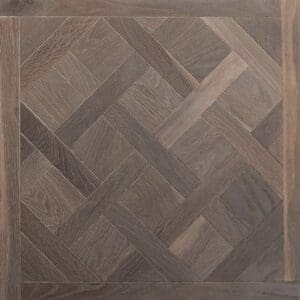
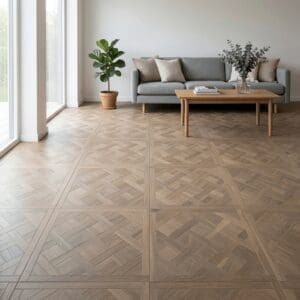
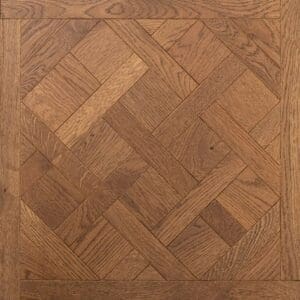
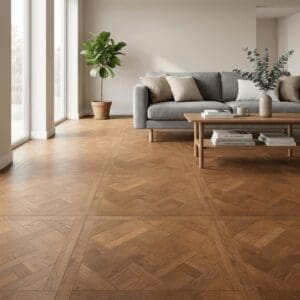
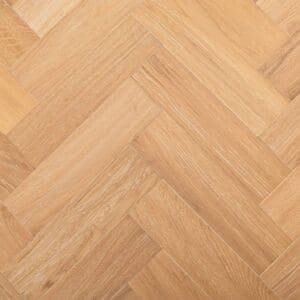
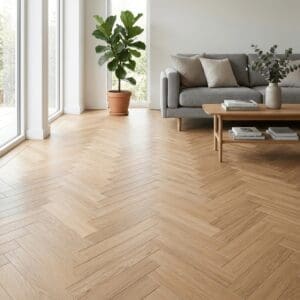
At Grosvenor Flooring, our experience within the industry has shaped the development of the GF range. Rather than simply listing products, the collection has been curated to offer a balanced selection of tones, finishes and formats, from clean, natural oak planks to statement herringbone and traditional Versailles panels. Each product has been chosen to work both individually and as part of a wider, consistent range.
Engineered wood flooring has become the preferred choice for homeowners seeking both practicality and long-term value. Each board features a real hardwood wear layer, bonded to a stable core of engineered timber. This layered construction significantly reduces movement within the floor, helping to prevent issues such as warping, gapping or distortion that can occur with solid wood.
This stability makes engineered wood flooring particularly suitable for the UK climate, where fluctuations in temperature and humidity are common. It also makes it the best option for installation over underfloor heating, where consistent performance is essential.
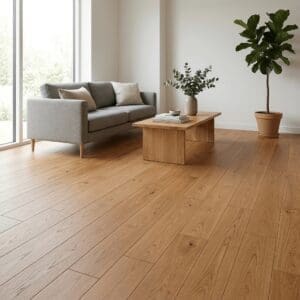
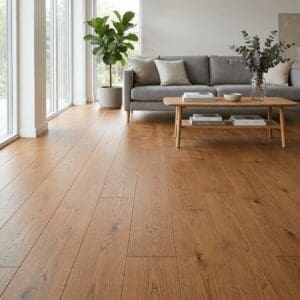
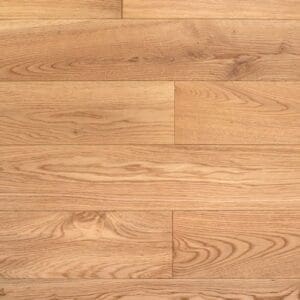
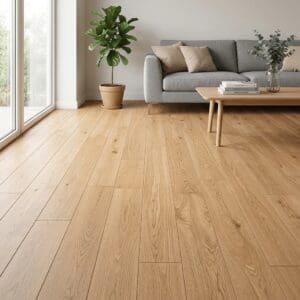
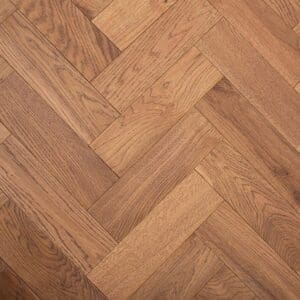
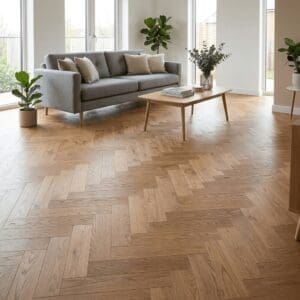
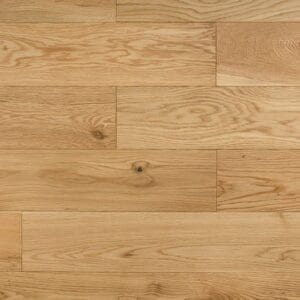
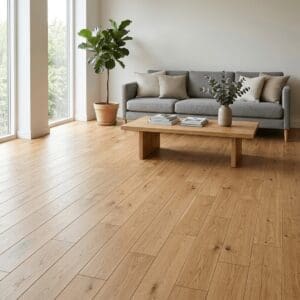
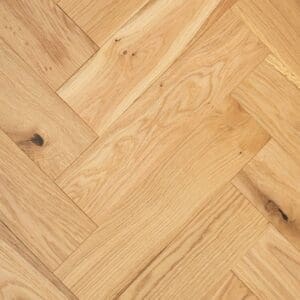
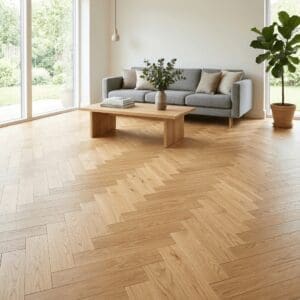
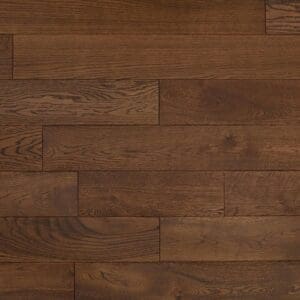
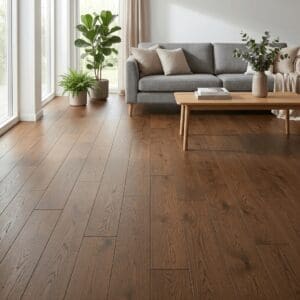
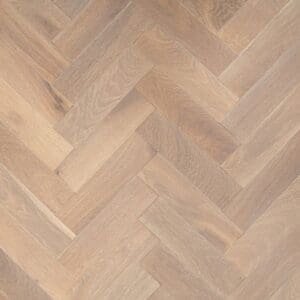
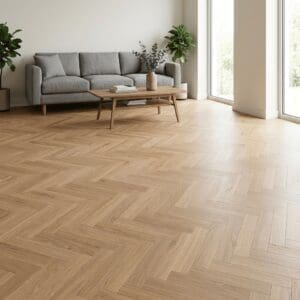
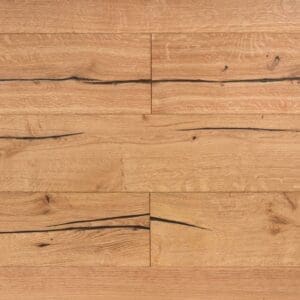
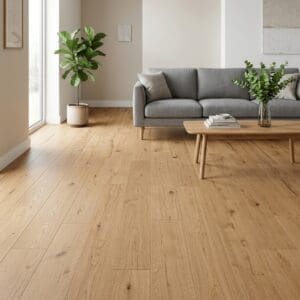
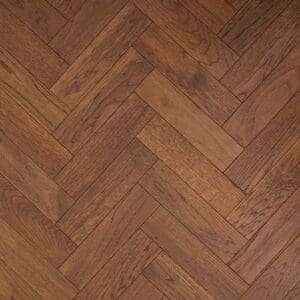
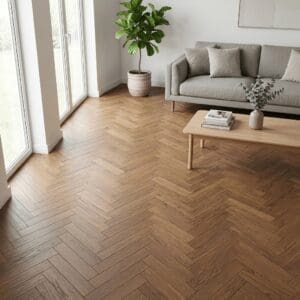
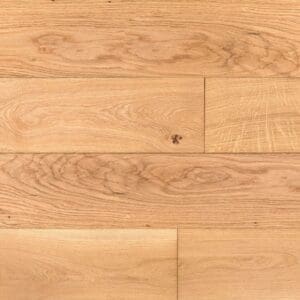
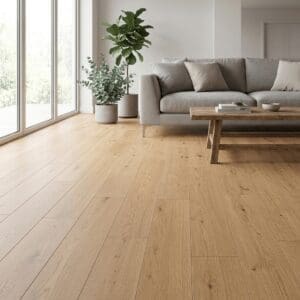
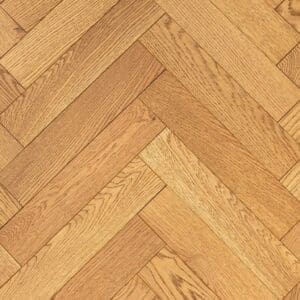
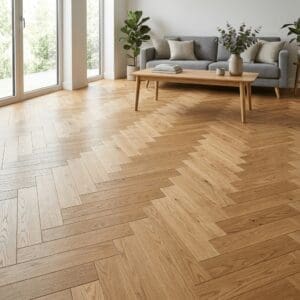
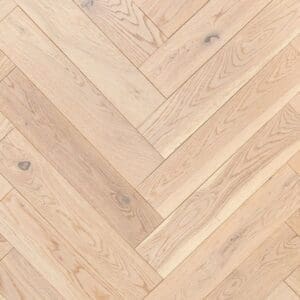
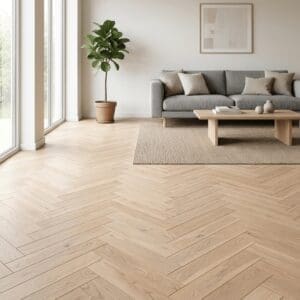
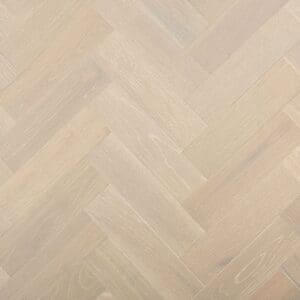
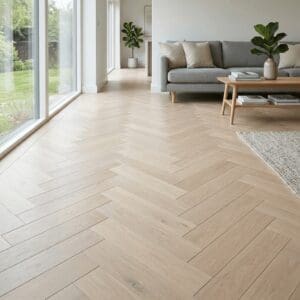
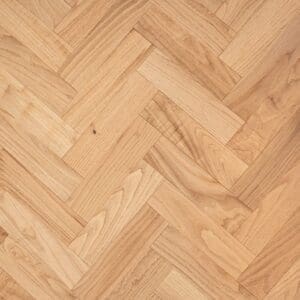
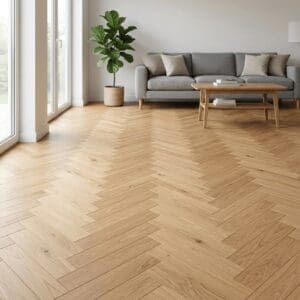
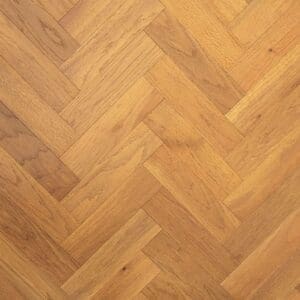
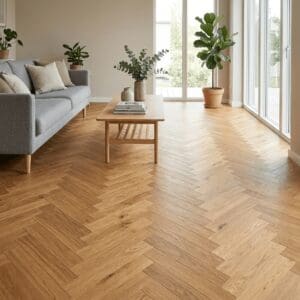
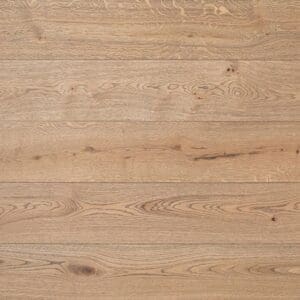
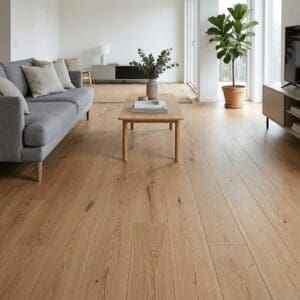
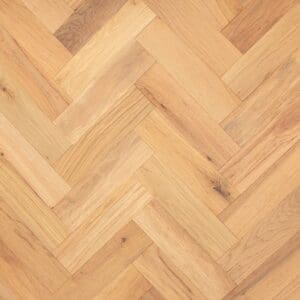
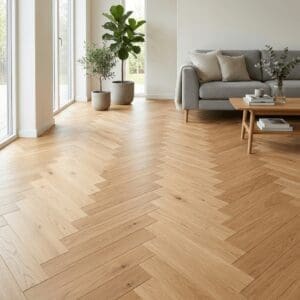
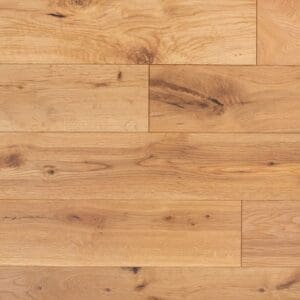
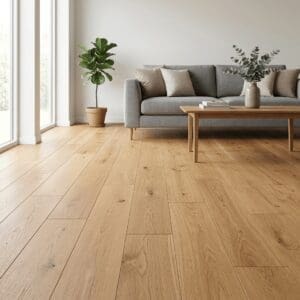
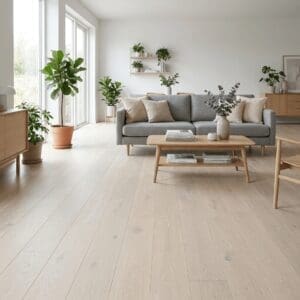
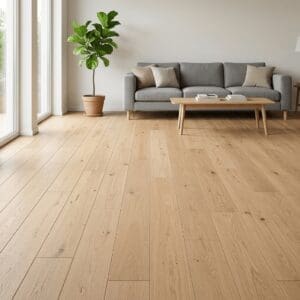
Within the GF Engineered Wood collection, a wide variety of styles are available to suit different interiors. Wide plank boards create a sense of space and simplicity, making them ideal for open-plan living areas. Herringbone designs offer a more detailed, architectural feel, bringing structure and visual interest to both traditional and contemporary settings. Versailles panels provide a more formal, classic aesthetic, often used to create a focal point within larger rooms.
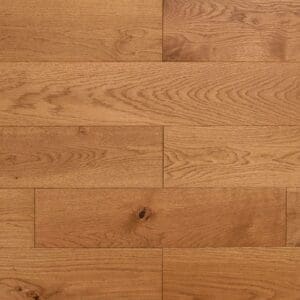
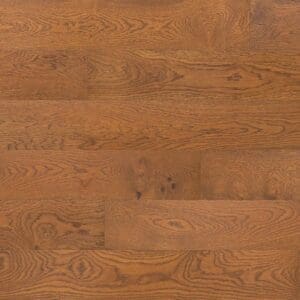
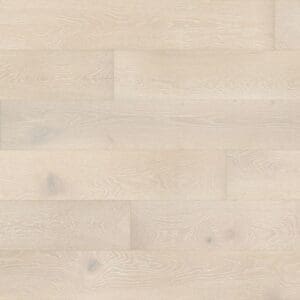
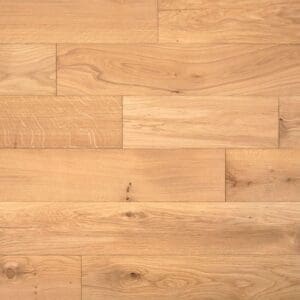
Surface finishes also play an important role in the overall look and feel of the floor. Brushed finishes enhance the natural grain of the oak, adding texture and depth, while lacquered and oiled finishes offer varying levels of sheen and protection. From soft, natural tones to richer smoked and golden hues, the GF range has been designed to complement a wide range of interior styles.
When comparing engineered wood to other flooring types, it offers a unique balance of authenticity and performance. Unlike laminate or vinyl, engineered wood is a natural material that will age over time, developing character and depth. At the same time, it offers far greater stability than solid wood, making it a more practical choice for modern homes.
Ultimately, the GF Engineered Wood Flooring collection has been created to offer a refined, design-led approach to wood flooring. By combining carefully selected products with a clear and consistent identity, the range provides a strong foundation for interiors that feel both timeless and considered.
Buying Guide
Investing in engineered wood is a significant decision. This guide outlines the essential factors to consider to ensure you choose a floor that meets your aesthetic and practical needs.
- Room usage / Location: Engineered wood is ideal for living rooms, hallways, and bedrooms. While more stable than solid wood, it is generally not recommended for “wet” rooms like bathrooms where standing water is likely.
- Lifestyle: Consider the “grade” of wood based on your lifestyle; rustic grades are excellent for hiding the minor scuffs of a busy family home, while lacquered finishes offer a tougher protective barrier than oiled ones.
- Budget: Engineered wood sits in the mid-to-high price bracket. It represents a long-term investment that adds tangible value to your property compared to laminate or standard carpet.
- Durability & Maintenance: To maintain the beauty of your wood, use specific wood floor cleaners and avoid excessive water. Oiled floors can be spot-repaired, while lacquered floors may eventually require a full sand and reseal.
- Material Type Pros & Cons: Pros include real wood aesthetics, compatibility with underfloor heating, and the ability to sand the wear layer. Cons include a higher price point than laminate and the potential for scratching if not properly maintained.
- Aesthetics & Style: From the clean lines of wide planks to the intricate detail of herringbone, the style you choose should complement your home’s architecture and your furniture.
- Comfort & Sound: Wood is a natural insulator, providing a warm surface. When installed with high-quality underlay, it also offers excellent acoustic properties, reducing sound travel between floors.
- Underfloor Heating: Engineered wood is the only real wood product compatible with underfloor heating. It conducts heat effectively without the risk of significant expansion or contraction.
- Installation: We strongly recommend our professional “supply and fit” service. Expert installation ensures the subfloor is correctly prepared and that the planks are laid with the necessary expansion gaps.
- Sustainability: Most of our engineered wood brands are FSC or PEFC certified, ensuring the timber is sourced from responsibly managed forests.
Frequently Asked Questions
Can engineered wood be installed over underfloor heating?
Yes, engineered wood is specifically designed to be compatible with underfloor heating. Its multi-layer construction allows it to handle temperature changes far better than solid wood.
How many times can engineered wood be sanded?
This depends on the thickness of the real wood wear layer (lamella). Typically, a floor with a 4mm wear layer can be sanded 2 to 3 times over its lifespan, providing decades of use.
What is the difference between oiled and lacquered finishes?
Lacquered finishes provide a hard, protective coat on top of the wood, making it more resistant to liquids. Oiled finishes penetrate the wood for a more natural look and are easier to repair if a small area gets scratched.
Is engineered wood real wood?
Yes, the top layer is 100% natural hardwood (such as Oak or Walnut). The layers underneath are also wood-based, typically plywood or HDF, arranged in a cross-grain structure for stability.
How do I clean engineered wood flooring?
You should sweep or vacuum regularly with a soft brush attachment. For mopping, use a well-wrung damp mop and a pH-neutral wood floor cleaner; never use a steam mop or saturated cloths.