













Frequently Asked Questions
Is laminate flooring a good choice for a busy conservatory?
Yes, as long as you choose a good board and lay it with proper expansion gaps. A conservatory goes through bigger temperature swings than other rooms, so the floor needs room to expand and contract. A quality laminate laid with the right perimeter gap and left to acclimatise first copes with this comfortably.
Will laminate cope with a hot conservatory?
It can, if you prepare properly. Heat is the main challenge in a conservatory, so choose a quality board, leave a generous expansion gap around the edges and let the boards acclimatise before laying. Good ventilation and a blind or shading in the height of summer also help keep the temperature under control and the floor stable.
Will the sun fade laminate in a conservatory?
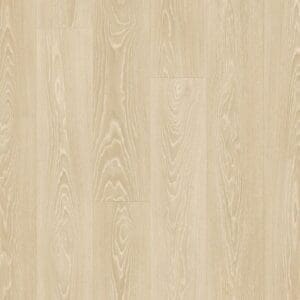
Strong, direct sun over time can fade some floors, but most good laminates have a UV-resistant wear layer that resists it well. Choosing a paler tone also helps, since fading shows far less on a light floor than a dark one. It is one reason light and natural shades are so popular in conservatories.
Is laminate warm enough for a conservatory?
Laminate is not cold like tile. Over a good underlay it is comfortable underfoot even in a glass room. For real warmth in winter, it works well with underfloor heating, which suits a conservatory because it heats the floor evenly without radiators taking up the glass. A rug adds a cosy touch in the coldest months.
What is the best laminate for a conservatory?
The best conservatory laminate is a quality board with a UV-resistant wear layer and some water resistance, in a light or natural tone that hides fading. Lay it with a generous expansion gap and let it acclimatise first. That combination copes with the heat, sun and damp a conservatory brings and keeps looking good for years.
